


India
Rooms - 9 | 10 | 11
Imperial patronage of Buddhism in India has a distinguished history between the 3rd century BC and the 12th century AD. During this period, magnificent Buddhist monasteries and stupas were built. Emperor Ashoka's (ruled about 268–232 BC) of the Maurya dynasty, an early patron of Buddhism was famed by his rock and pillar edicts, the earliest monumental inscriptions of South Asia.
Following the physical death and cremation of the Buddha, his relics were transported across northern India and stupas (hemispherical monuments enshrining relics) were built to house them, which became important places of veneration and pilgrimage (probably at the end of the 4th century BC).
Filter pieces by category
27 pieces
Architectural panels "Lilies and clouds"
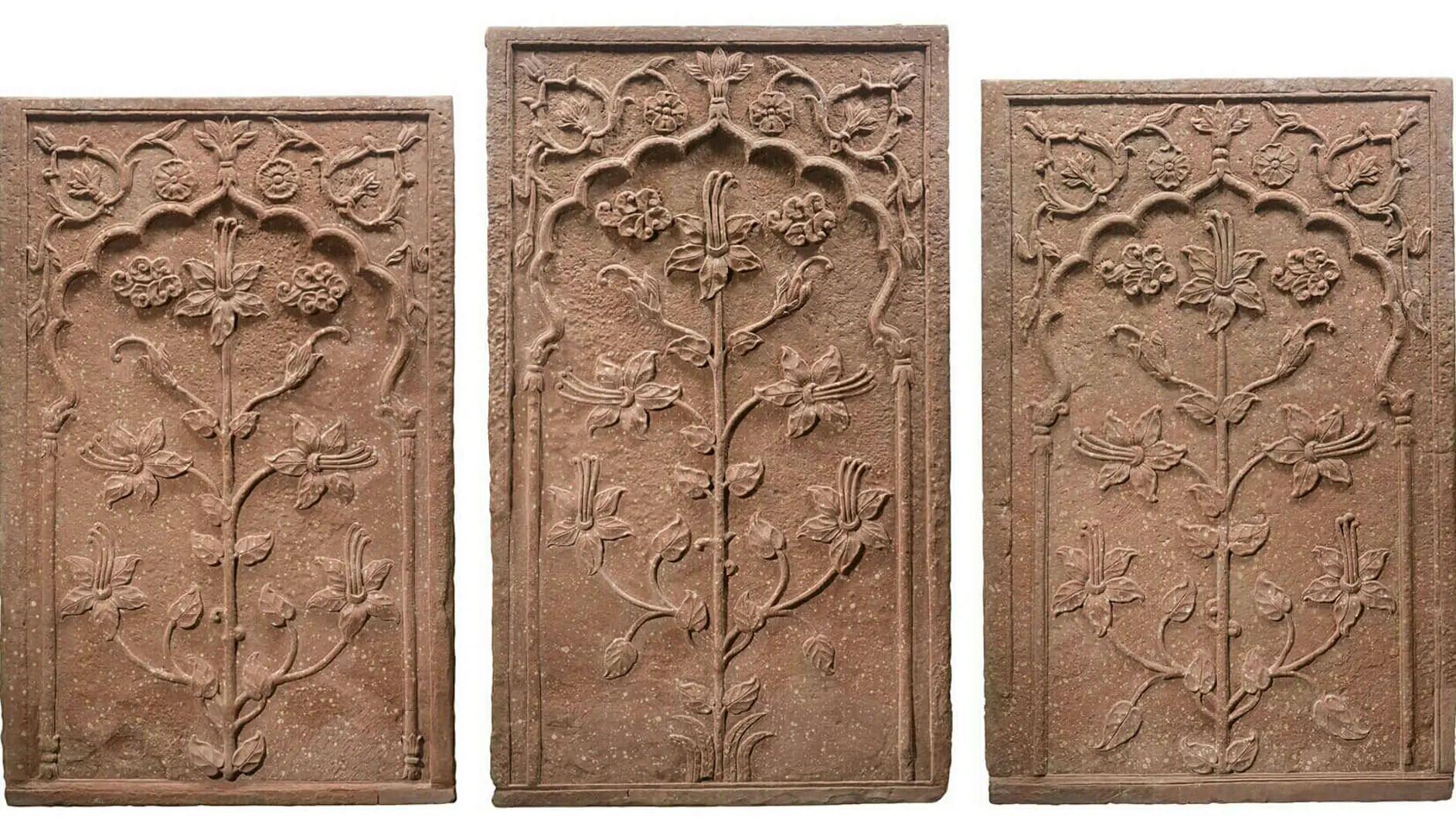
Red sandstone
Three panels
Delhi or Agra, India
Mughal period, 17th c. (late)Inv. CA-CFC.1107.1.2.3
Box and cover (Pandan)
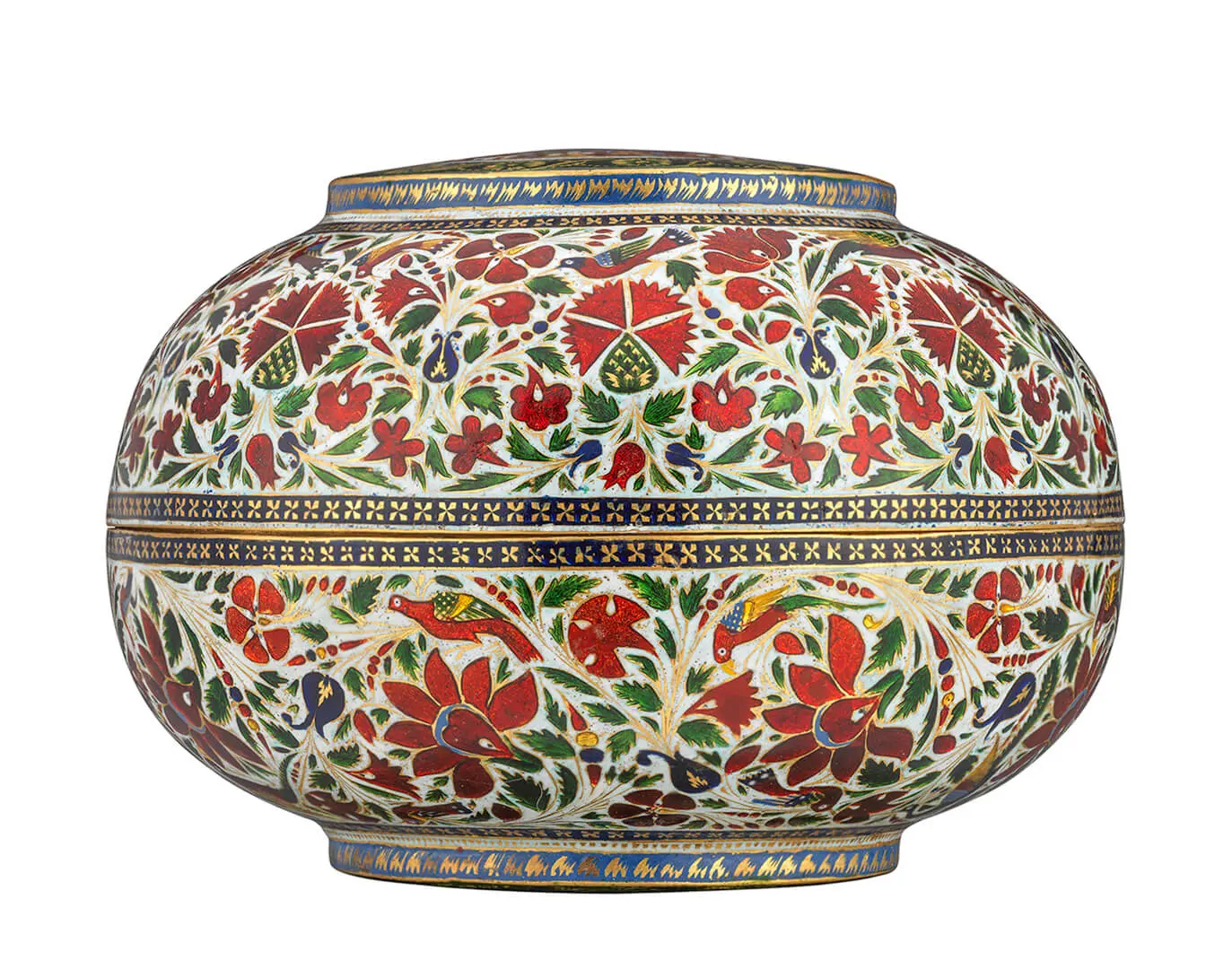
Gold, enamels
Jaipur, India
19th c.Inv. CFC.21
Cabinet
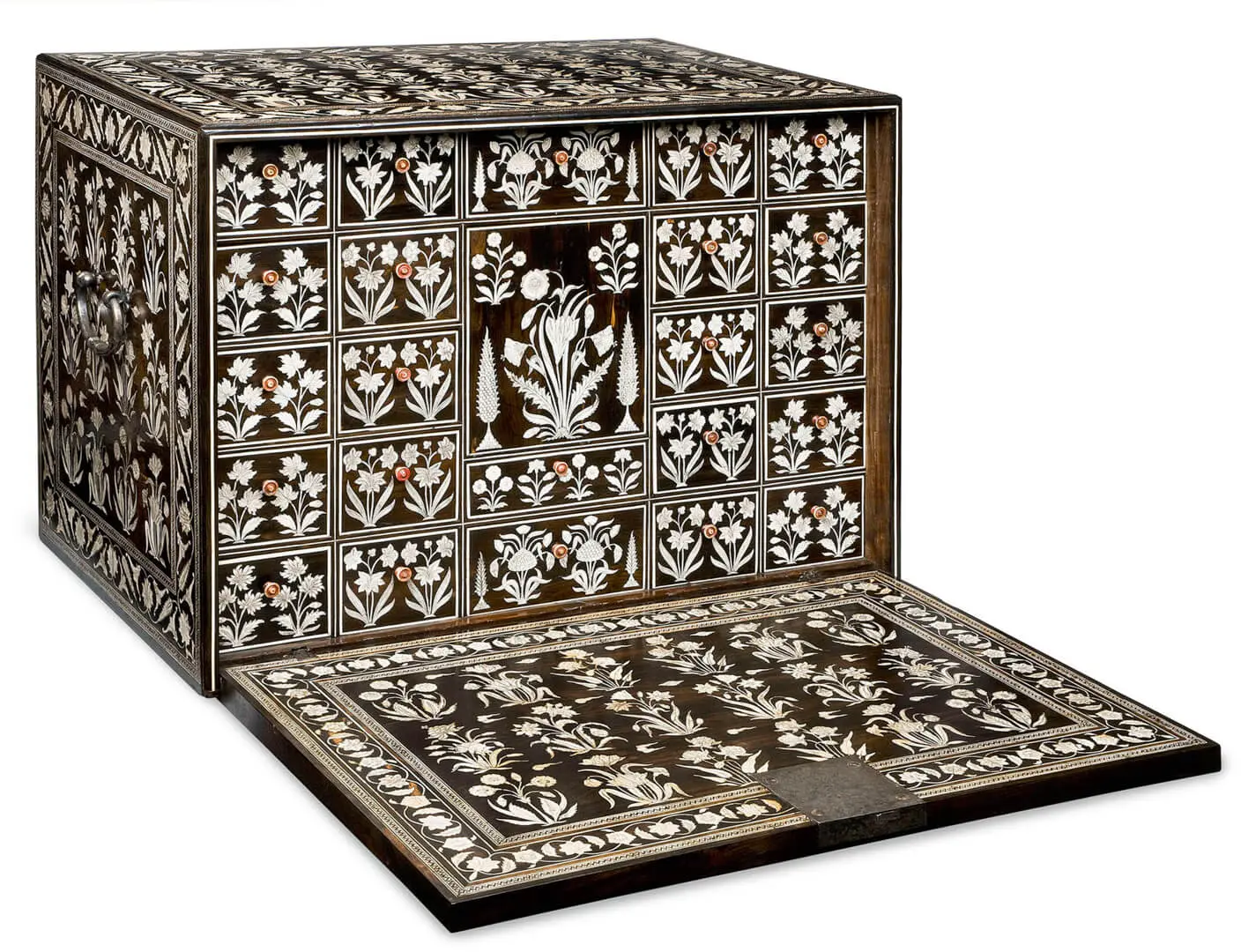
Rosewood, ivory, silver
Gujarat, India or Sindh, Pakistan
Mughal period, ca. 1670Celestial beauty (Surasundari)
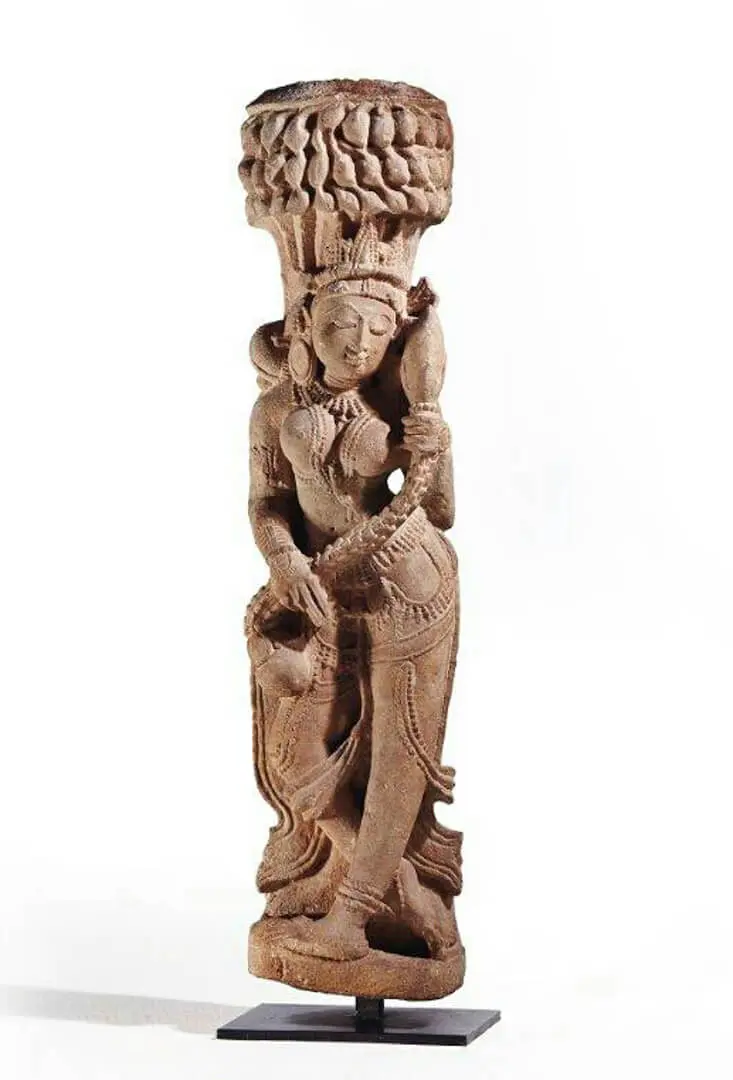
Sandstone
Central India
11th c.Inv. SCML.CA-CFC.1111
Covered bowl and dish
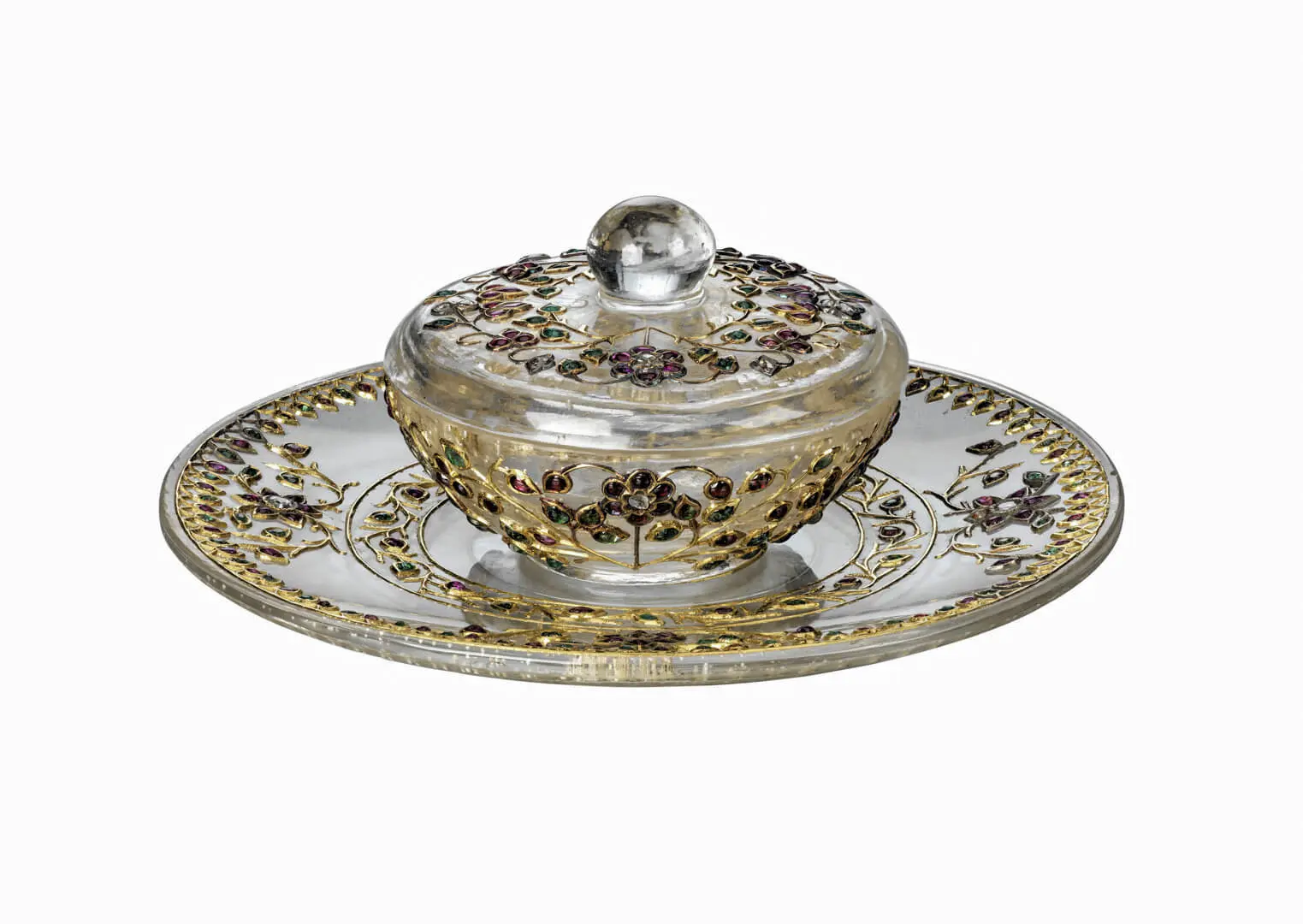
Rock crystal, white sapphires, rubies and emeralds, gold
Northern India
19th c.Inv. CFC.23.1.2
Dagger
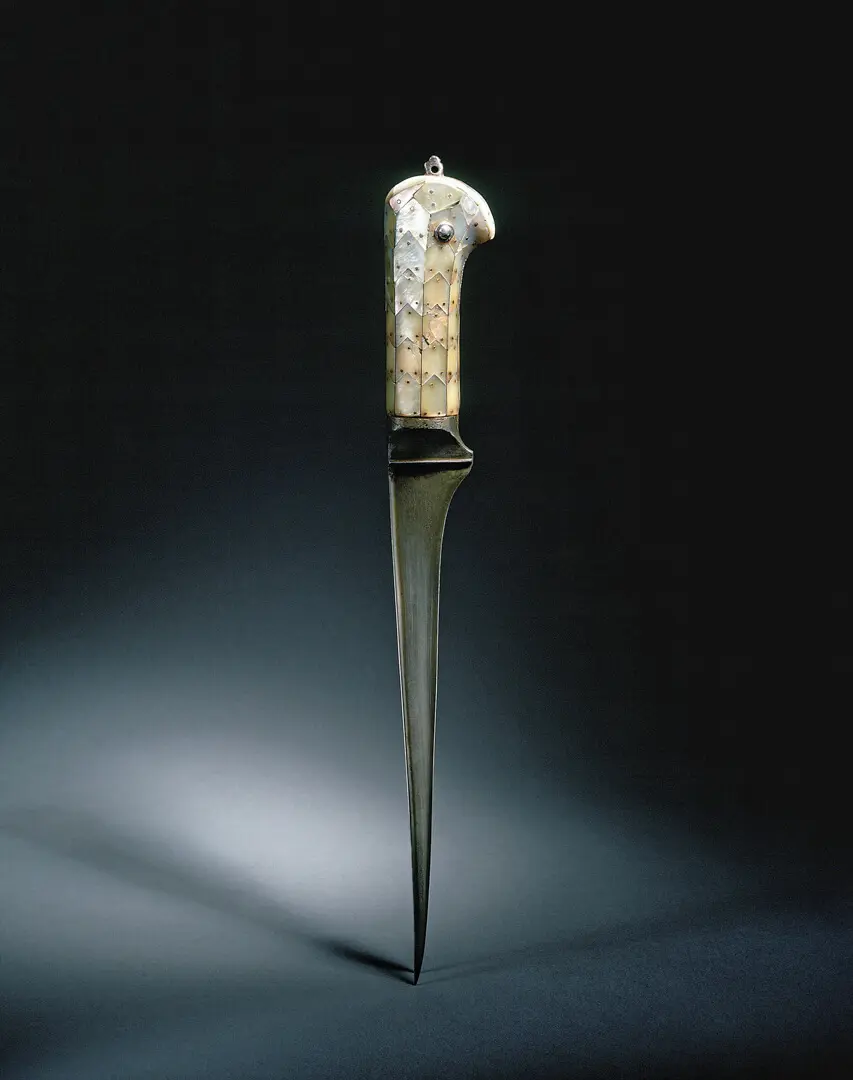
Steel, mother-of-pearl, brass
India, 16th–17th c.Inv.CA-CFC.882
Dagger
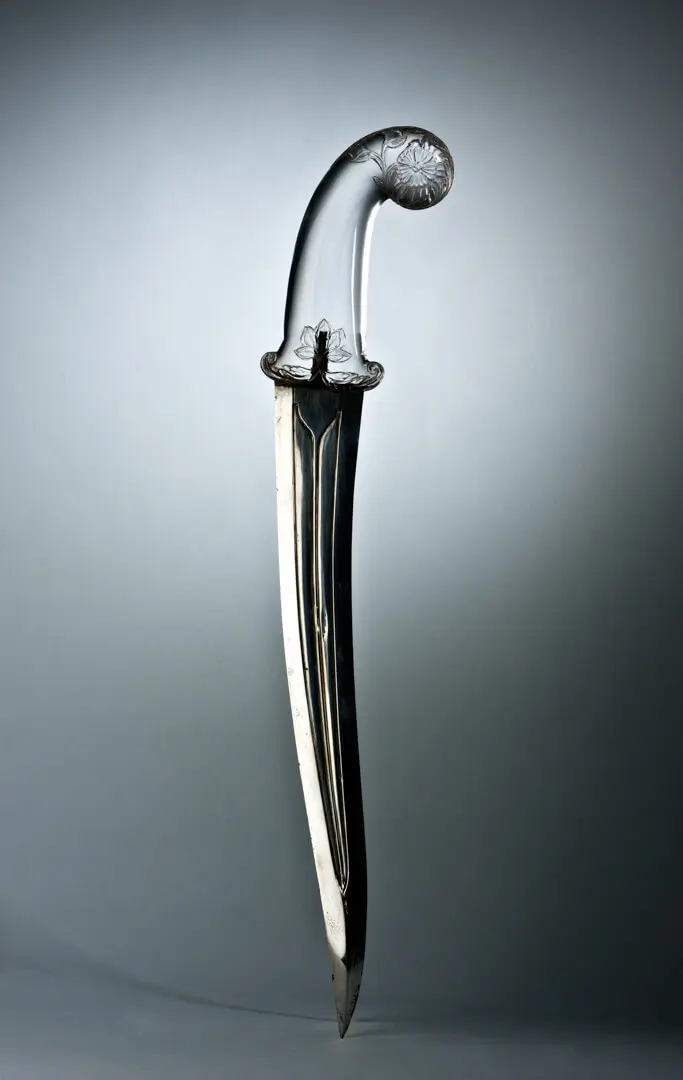
Steel, rock crystal
India
17th c. (late)Inv. CFC.19
Figure of Buddha
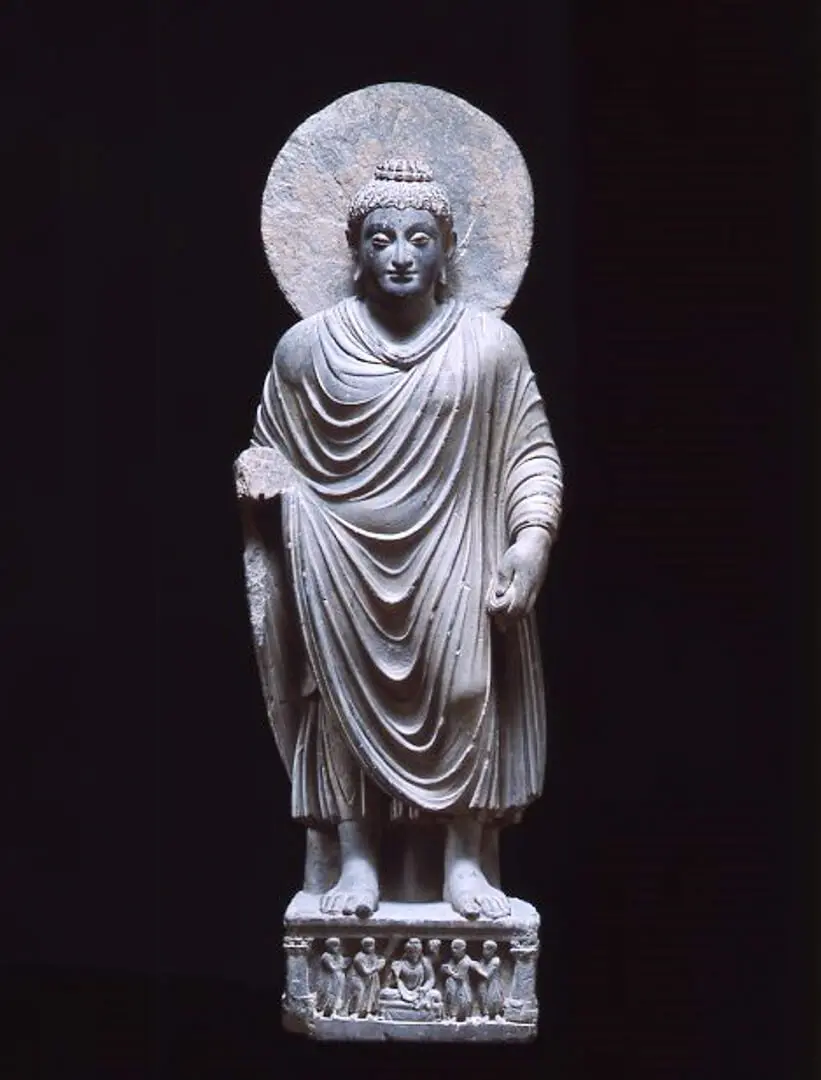
Schist
Gandhara, Afghanistan or Pakistan
1st–3rd c.SCML.CA-CFC.0437
Figure of Buddha
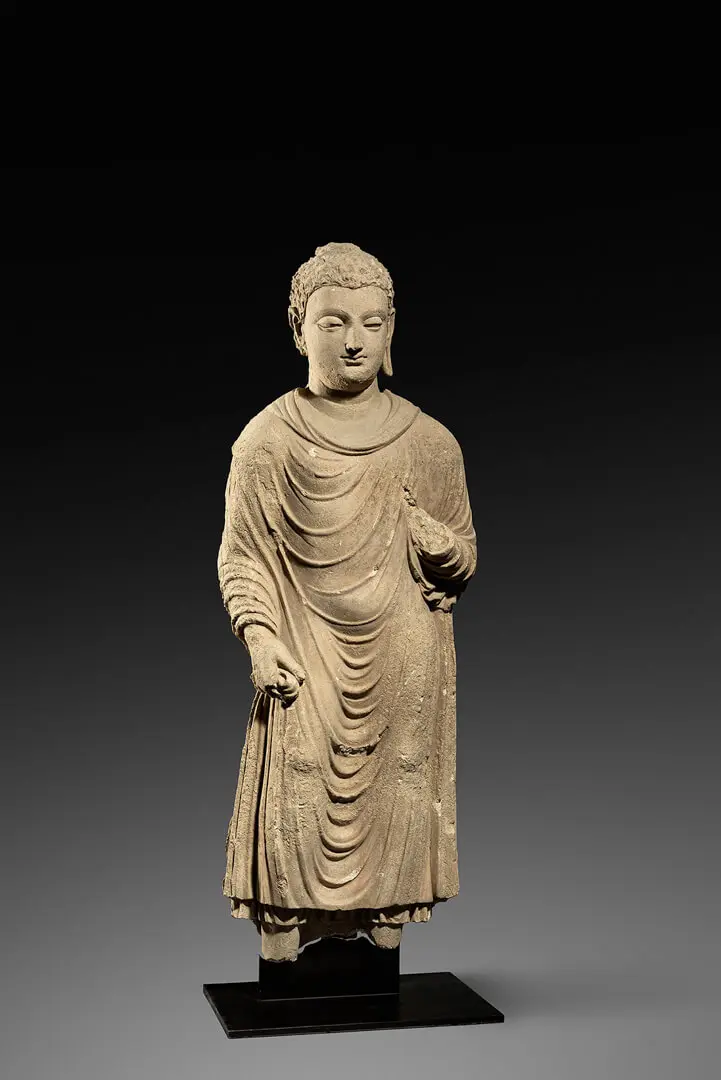
Stucco, pigments
Gandhara, Afghanistan or Pakistan
3rd–4th c.SCML.CA-CFC.0438
Head of a Bodhisattva or Jina
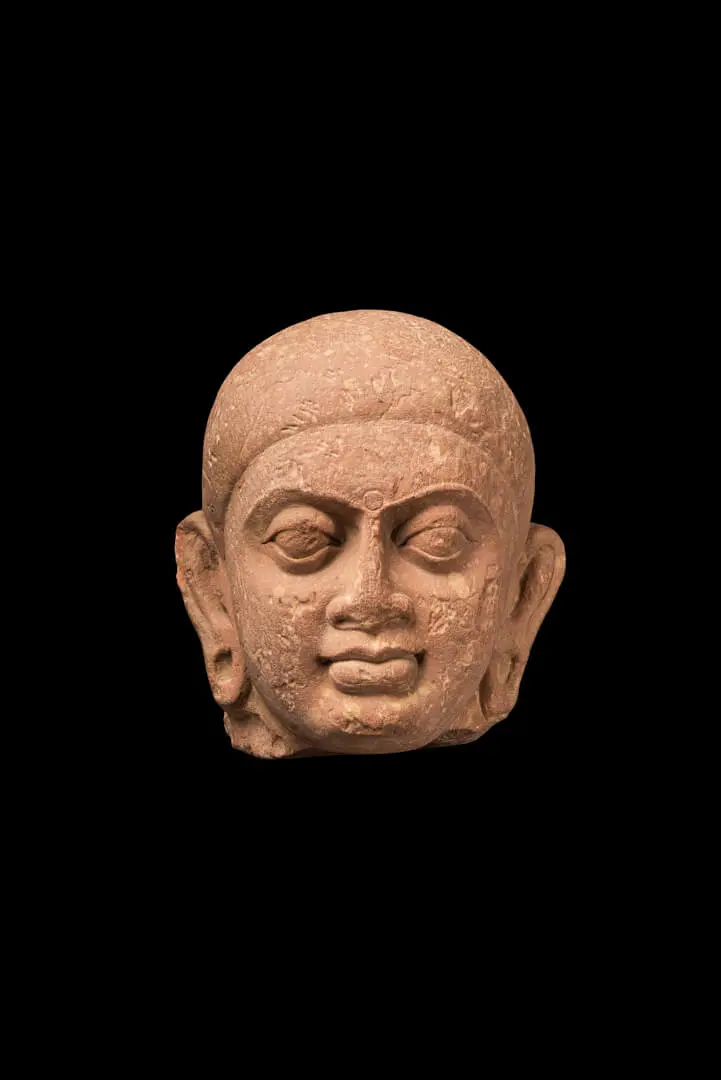
Stone
Northern India, Mathura
Gupta period, 4th c.Inv. SCML.CA-CFC.1134
Hookah base
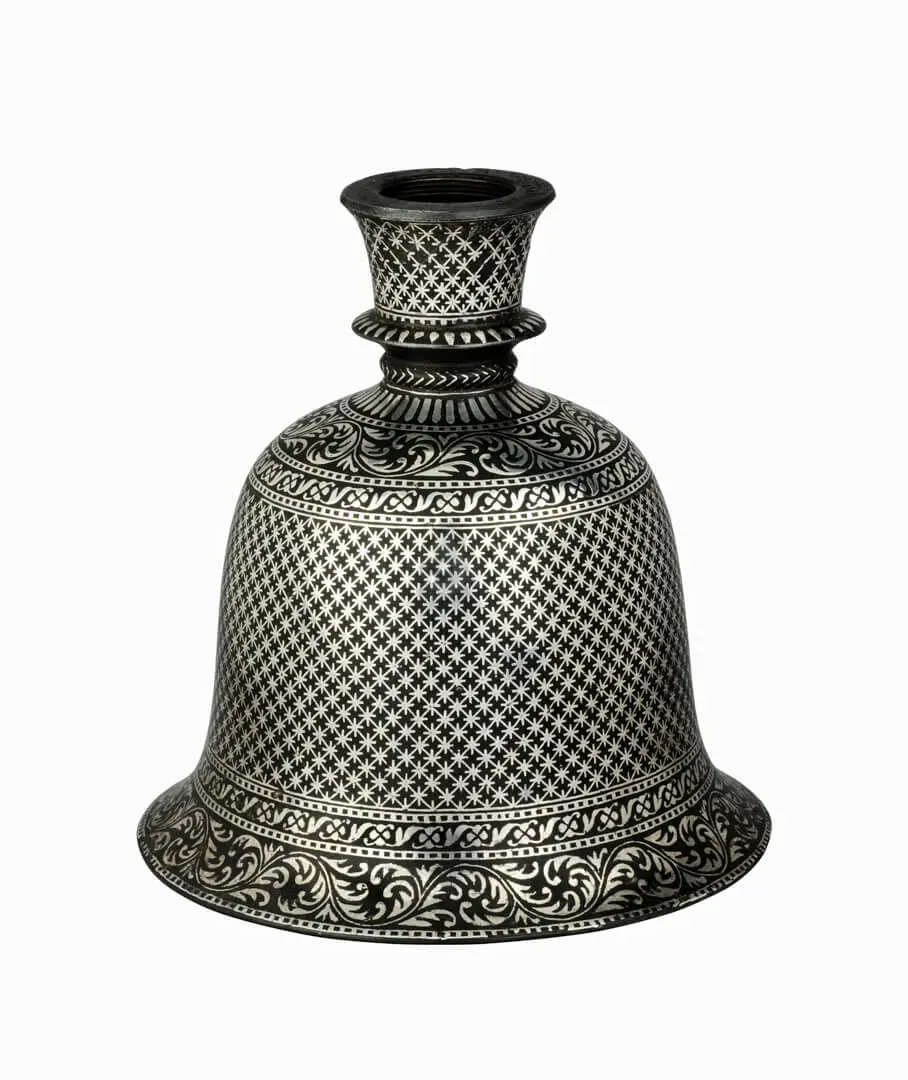
Metal alloy, silver, bidri technique
Bidar, Deccan, India
18th c.(mid)Inv. CA-CFC.1110
Jainist Legends (Kalpasutra)
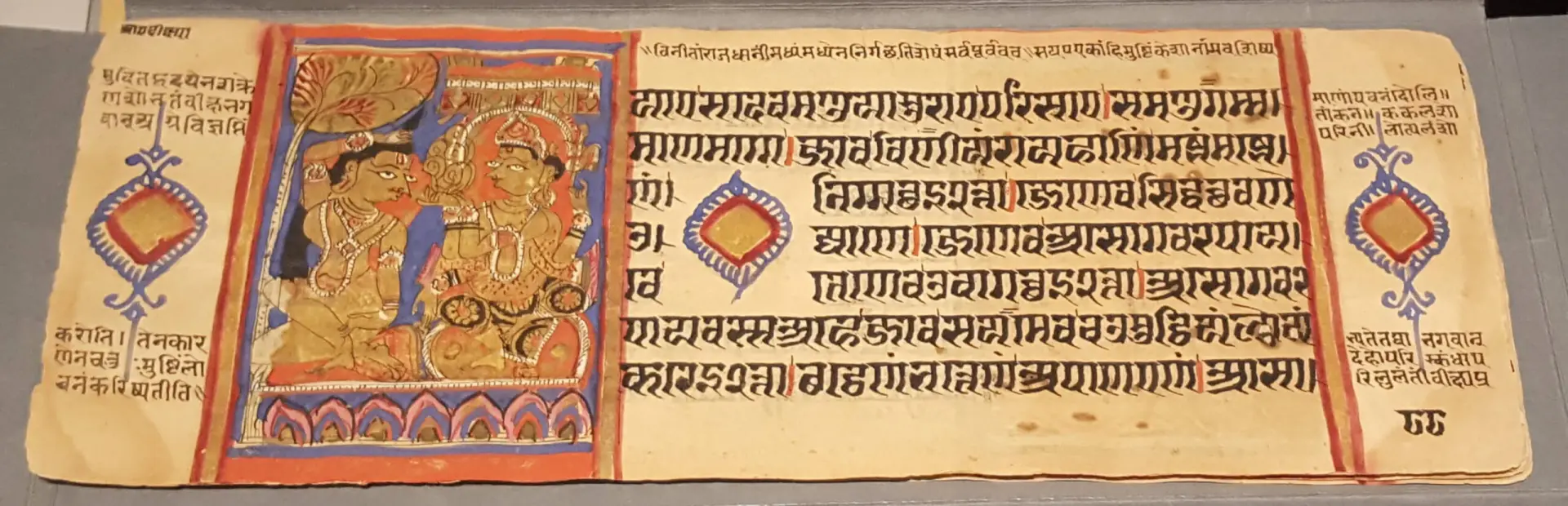
Gouache, paper
Manuscript illustrated, 17 leaves
India, 16th c.Inv. CA-CFC.895
Lattice window screen (jali)
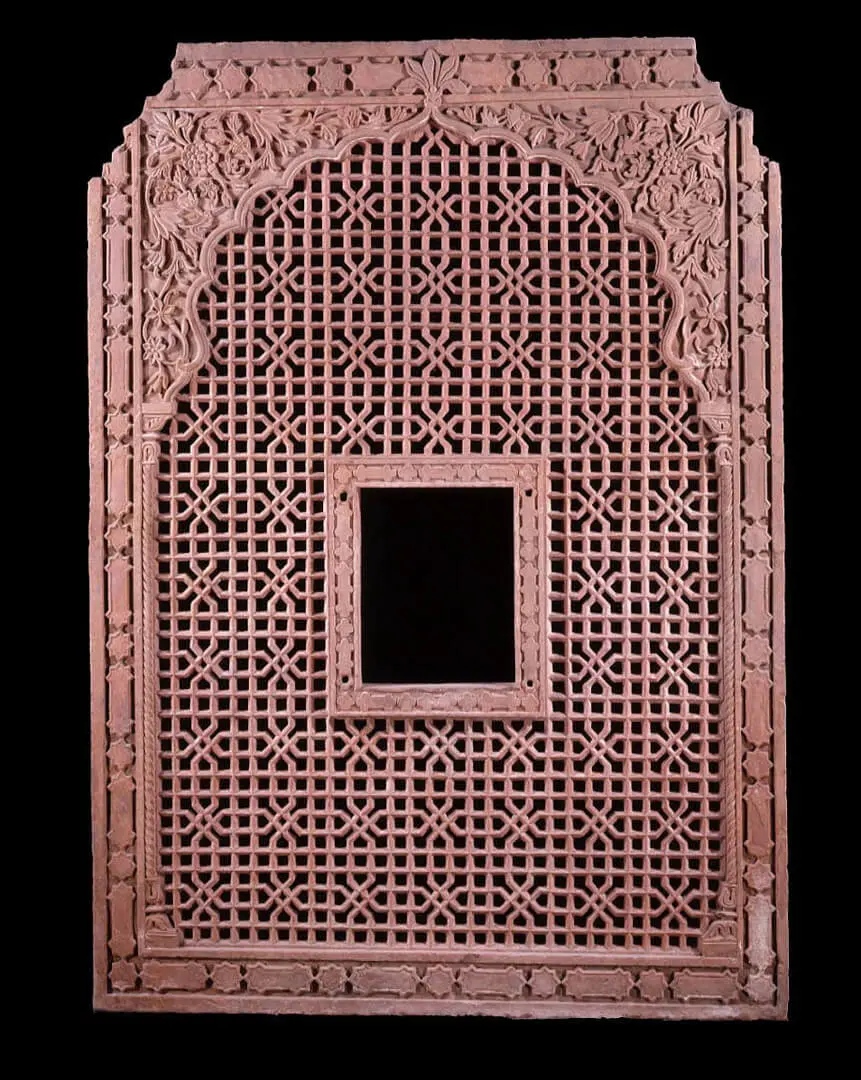
Red sandstone
Mughal period, 18th c.Inv. CA-CFC.1108
Lota with avatars of Vishnu
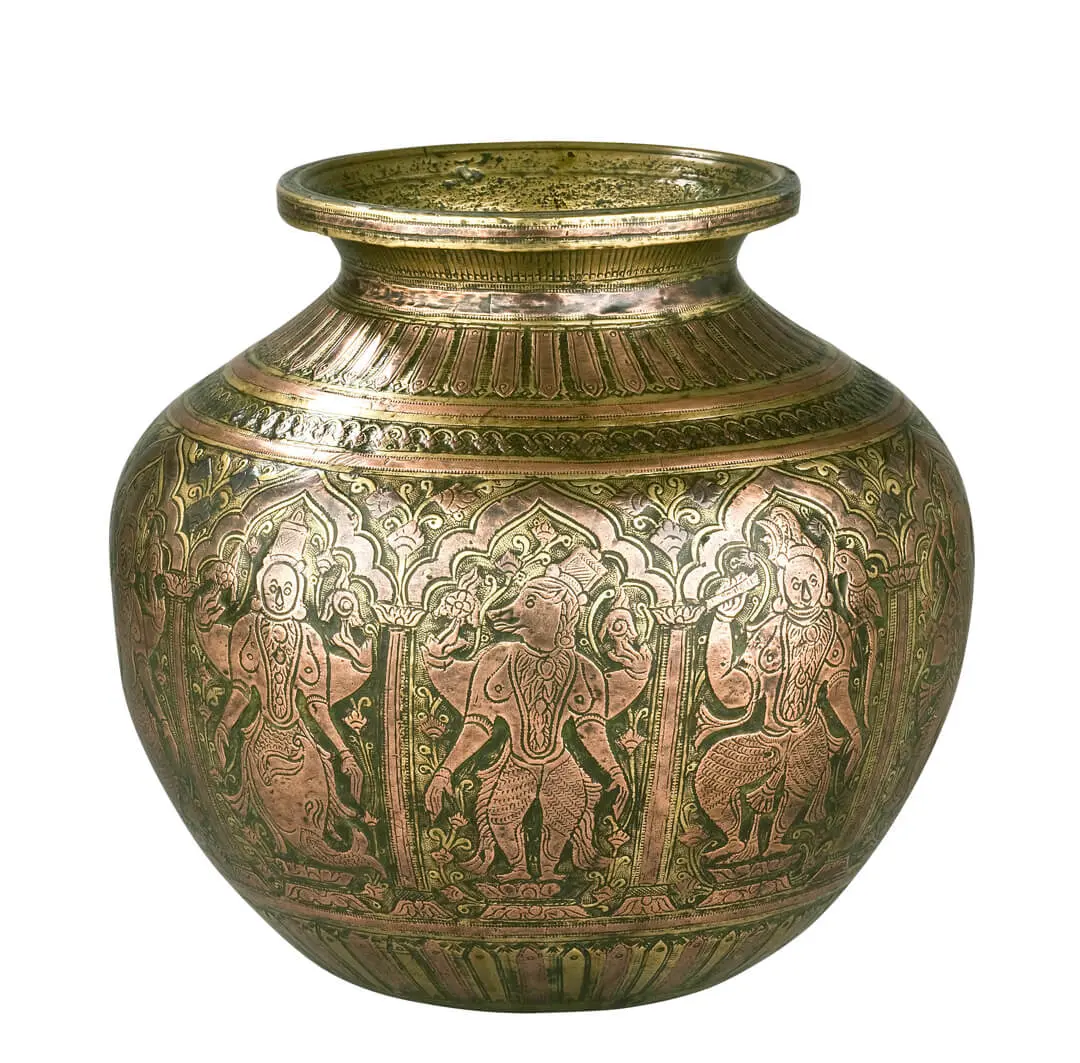
Brass, copper engraved
Thanjavur, Tamil Nadu, 18th c.Inv. CFC.22
Nobleman in Durbar
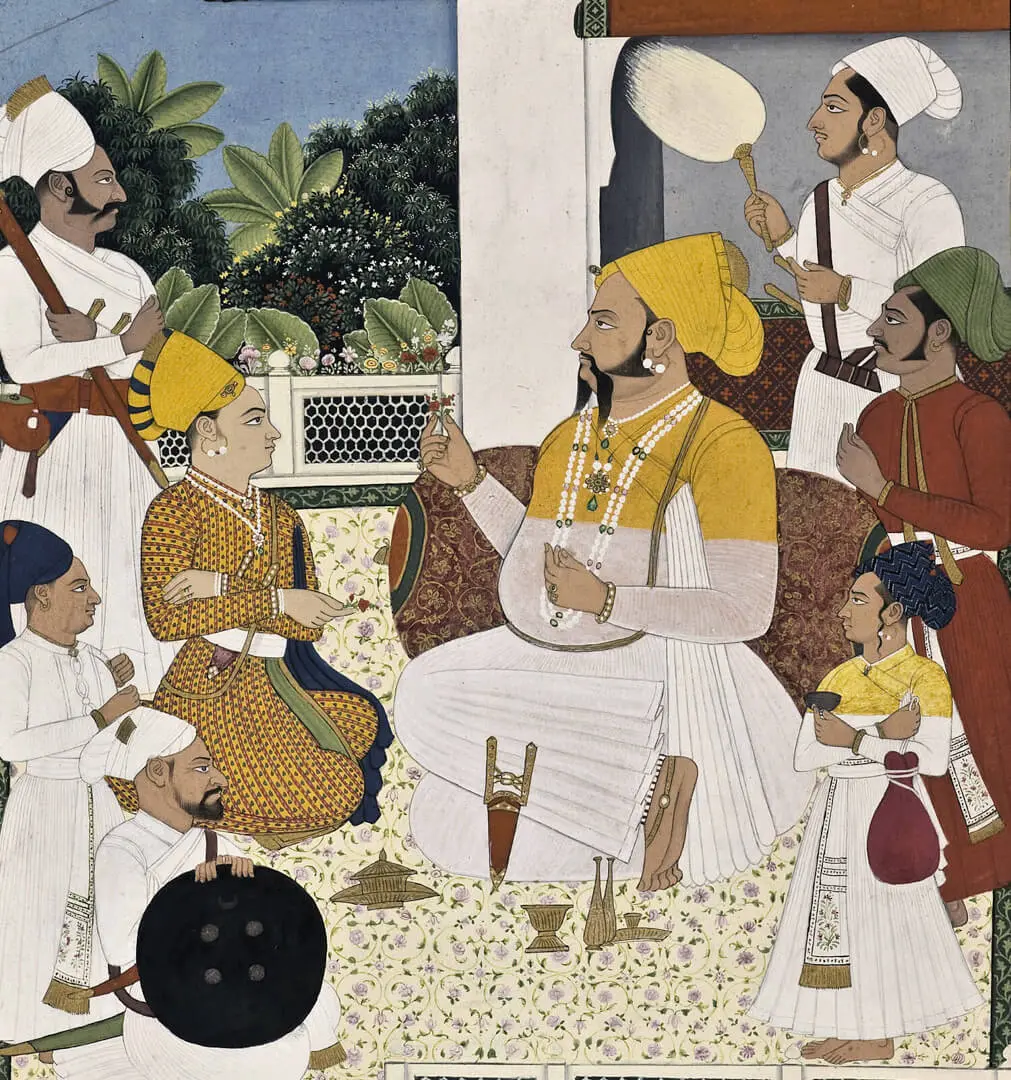
Opaque watercolour, paper
Marwar (Jodhpur), Rajasthan, India
18th c. (last quarter)Inv. CFC.24
Palampore
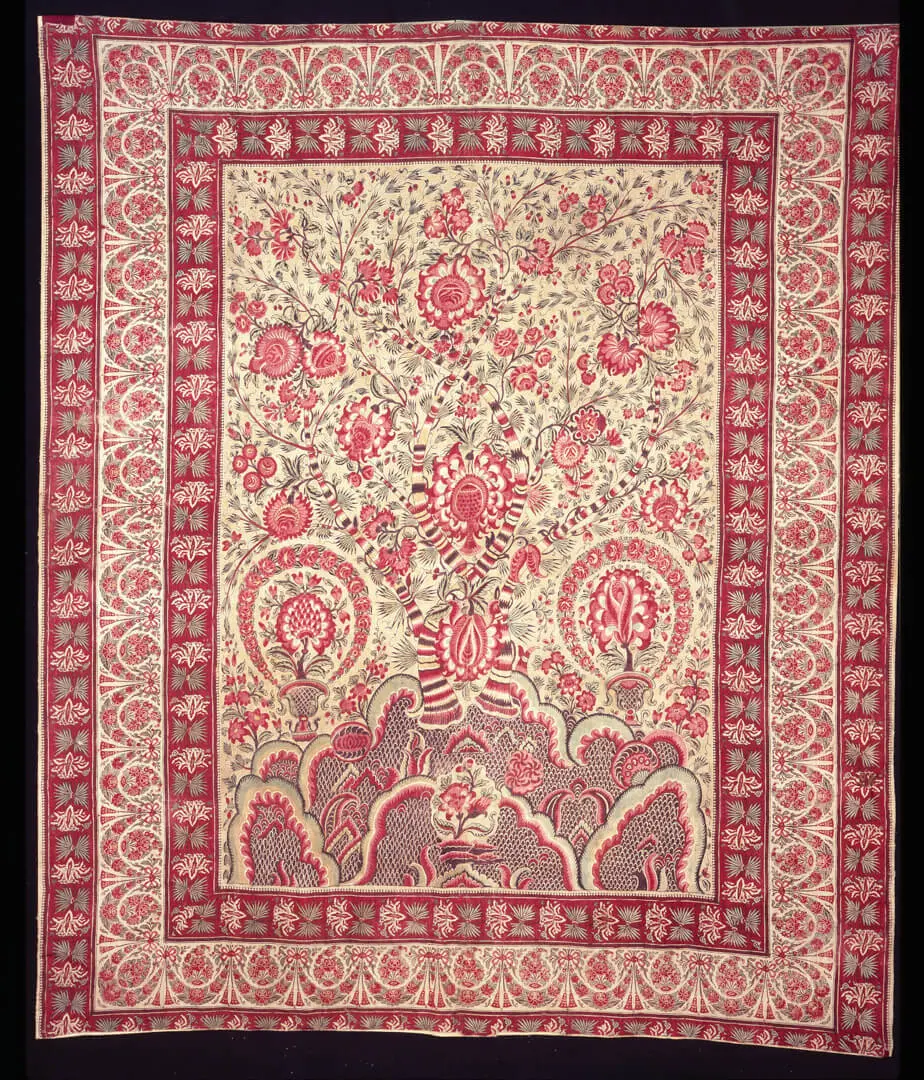
Cotton, block-printed, mordants
For European and Indonesian markets
Coromandel coast, India
1830–1840Inv. CA-CFC.1095
Palampore
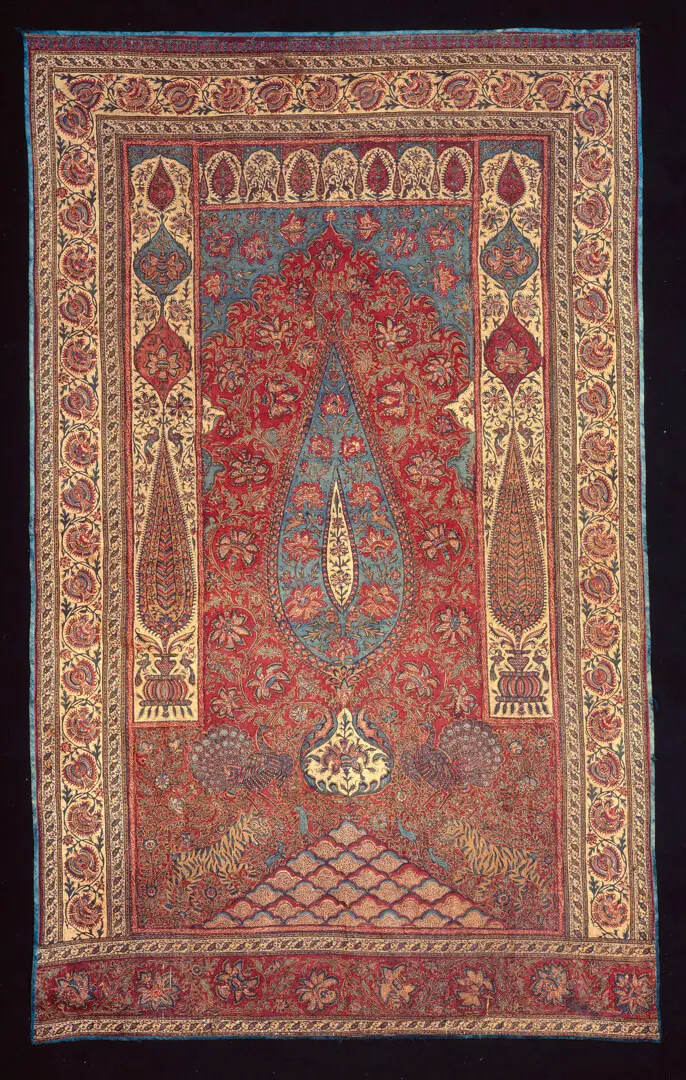
Cotton, block-printed, mordants
For Persian and Indonesian markets
Masulipatnam, Coromandel coast, India
19th c. (1st quarter)Inv. CA-CFC.1098
Patola
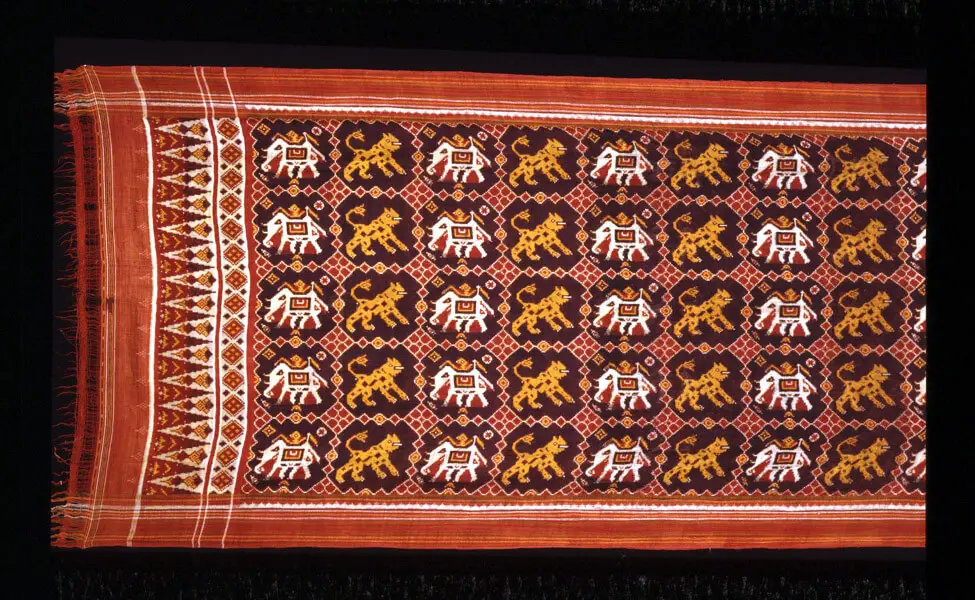
Silk, double ikat technique
For the Indonesian market
Gujarat, India
19th c.Inv. CA-CFC.1096
Stele – events from Buddha’s life
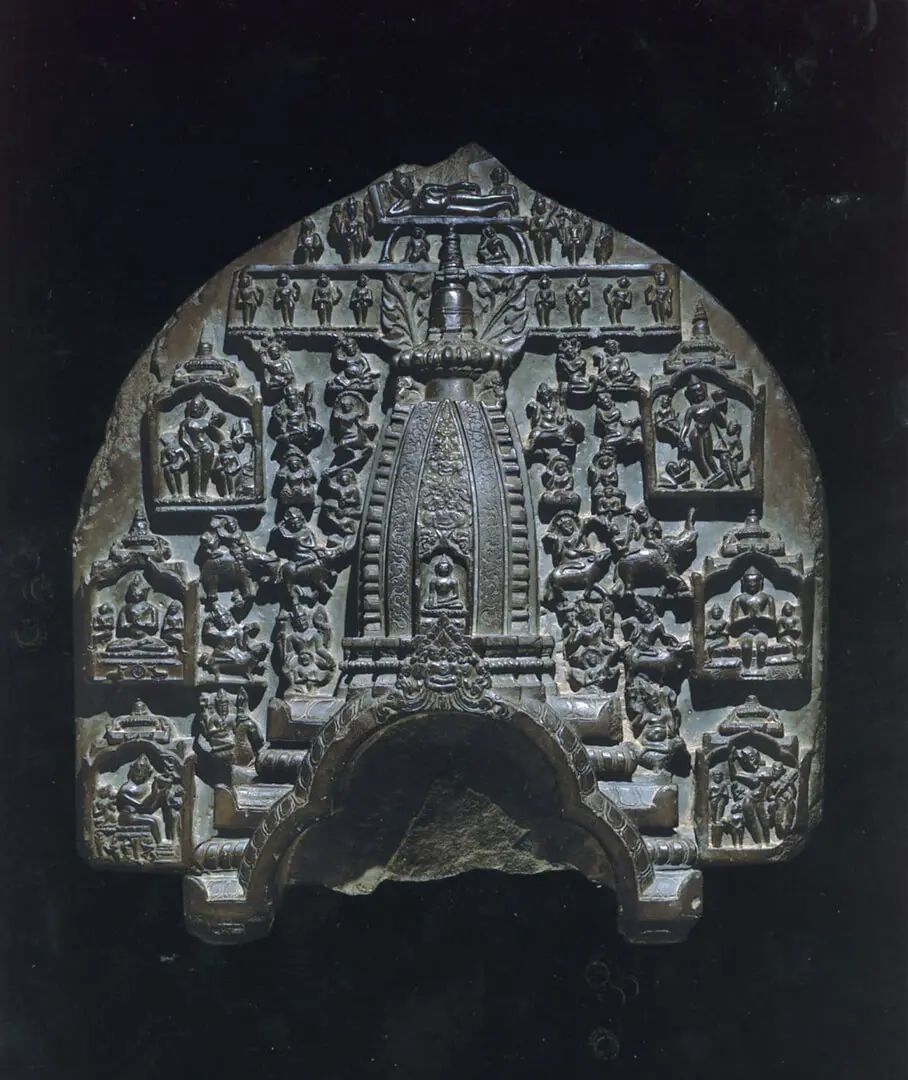
Stone
Eastern India
Pala dynasty, 11th c.Inv. CFC.0002
Temple guardian (Dvarapala)
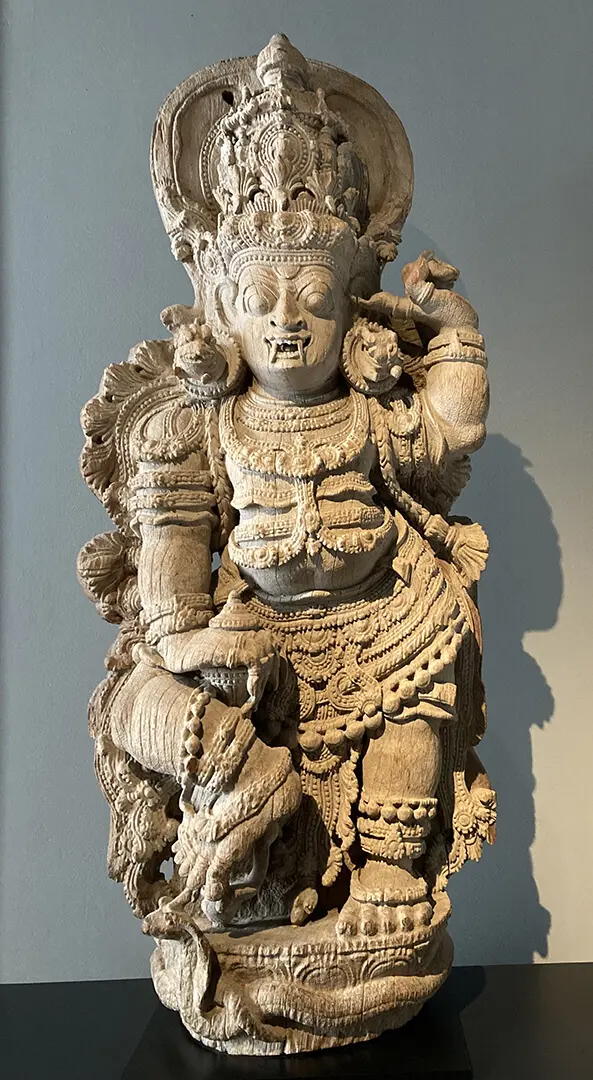
Wood, pigments
Kerala, 17th c.CFC.0117
Textile
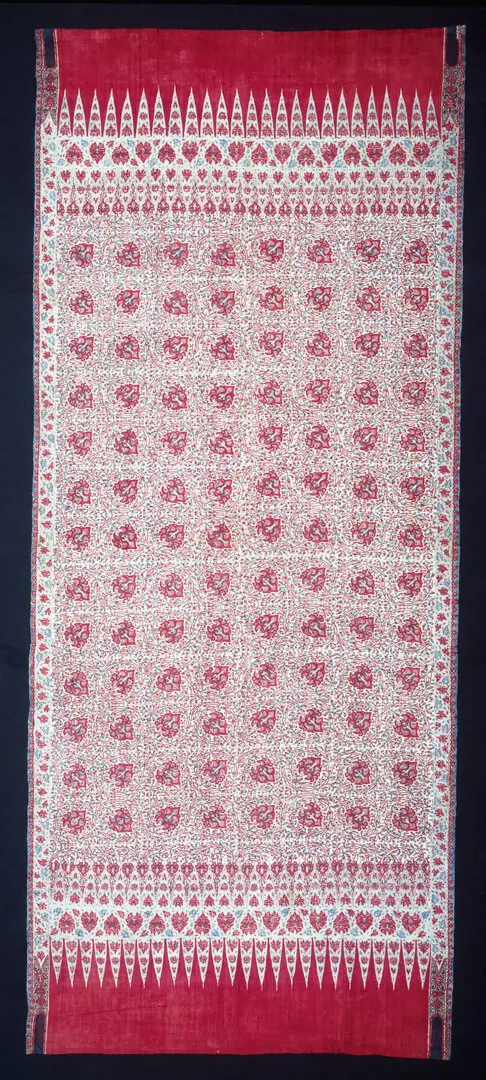
Cotton, block-printed, mordants
For the Indonesian market
Coromandel coast, India
18th c.Inv. CA-CFC.1099
Textile with hunting scene
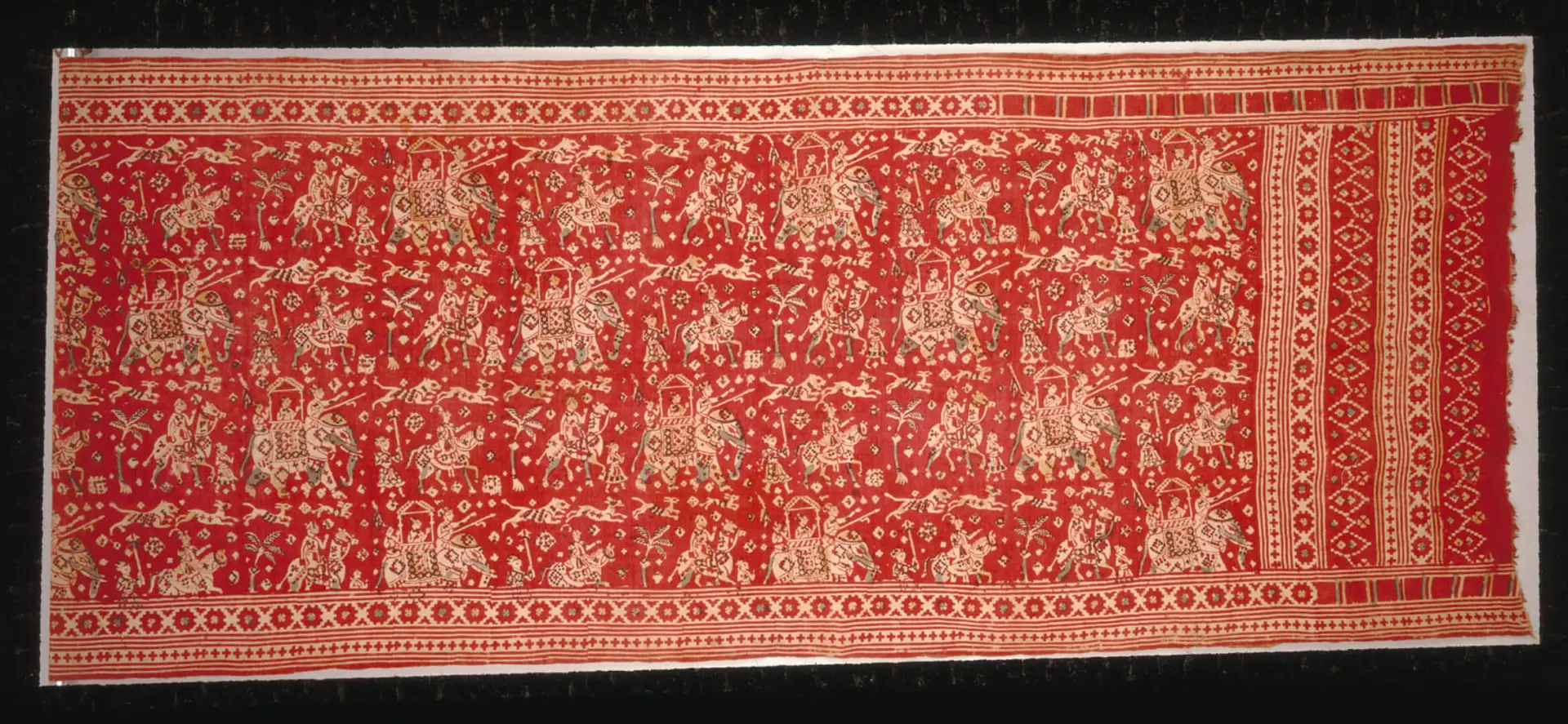
Cotton, block-printed, mordants, pigments
For the Indonesian market
Gujarat, India
17th/18th c.Inv. CA-CFC.1093
The Abduction of Usha (Usha Ikha Purana)
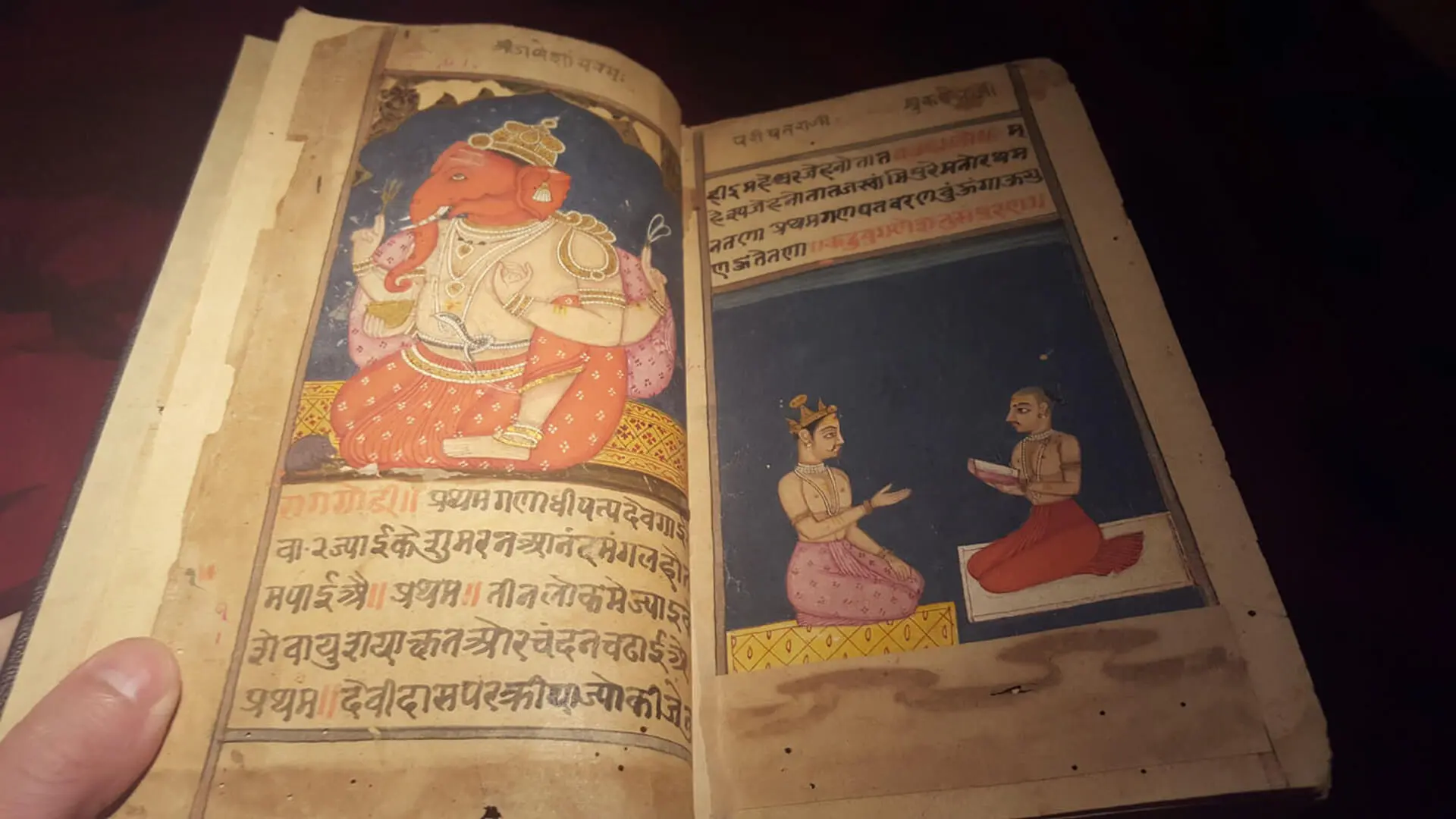
Ink, opaque watercolour, gold, silver, paper
Book of verse, 108 illustrations
Gujarat, India, 1757Inv. CA-CFC.896
Tile
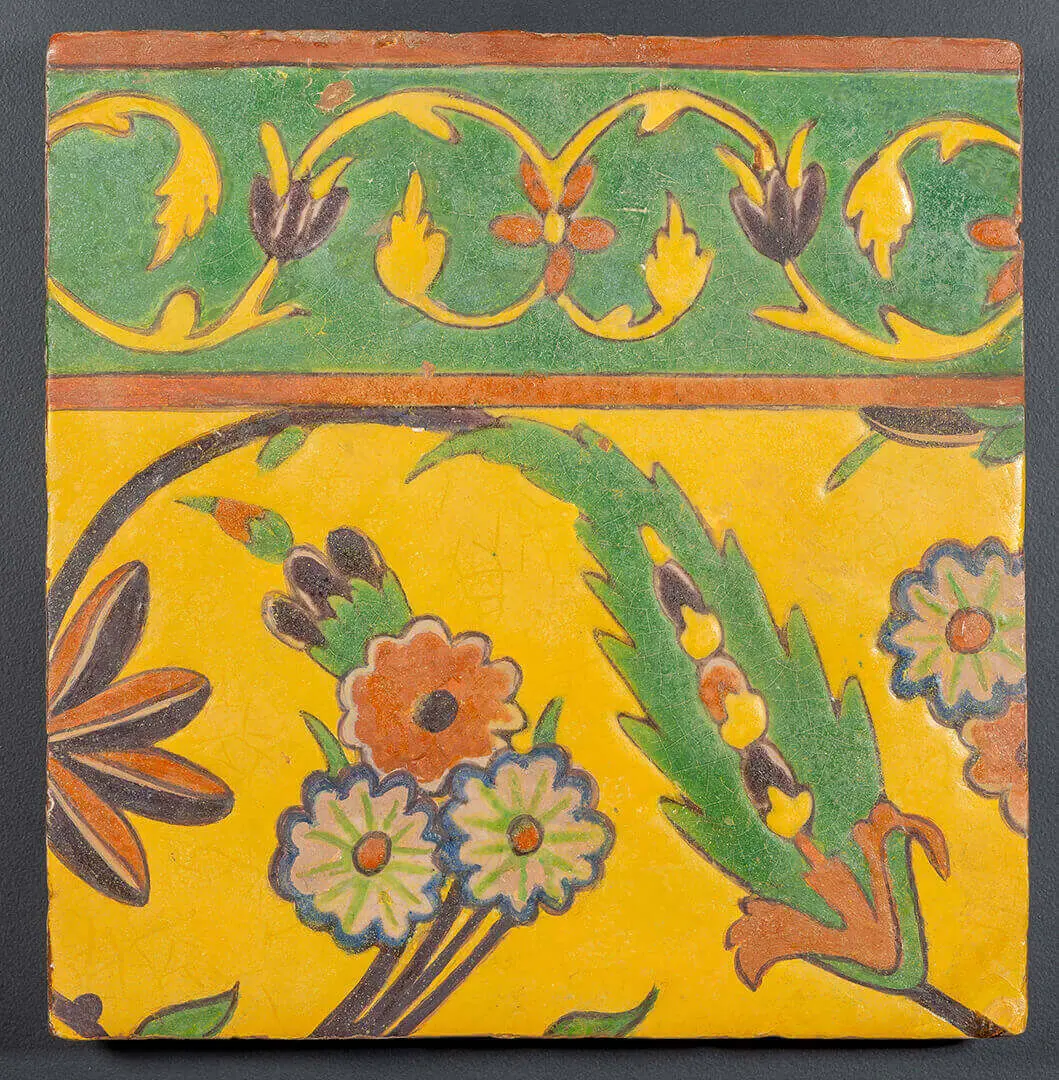
Pottery, glazed, cuerda seca
Probably Lahore, India
Mughal period, 17th centuryInv. CFC.27
Vaishnavite silk
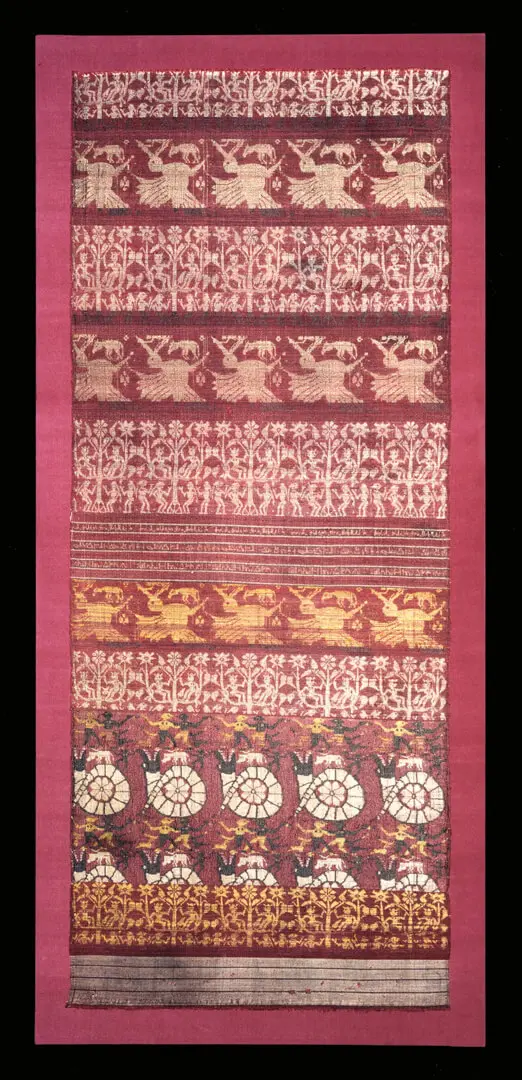
Silk lampas
Assam, 17th/18th c.Inv. CA-CFC.1094
Vishnu stele
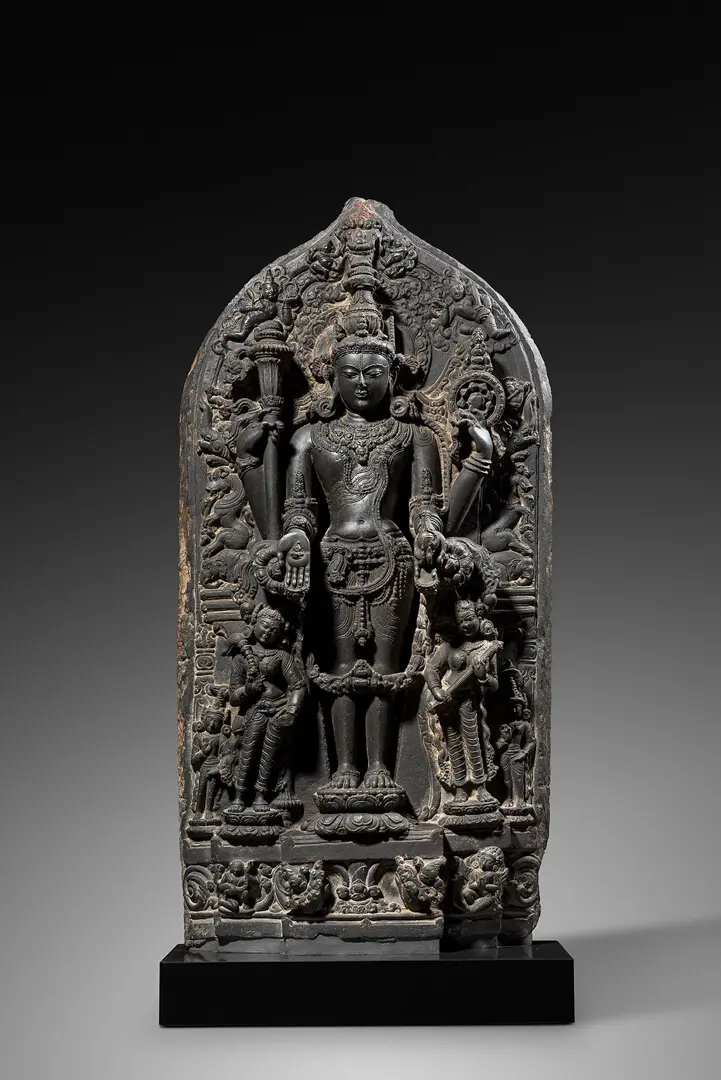
Stone
Pala dynasty, 11th–12th c.SCML.CA-CFC.0439
Waist sash (Patka)
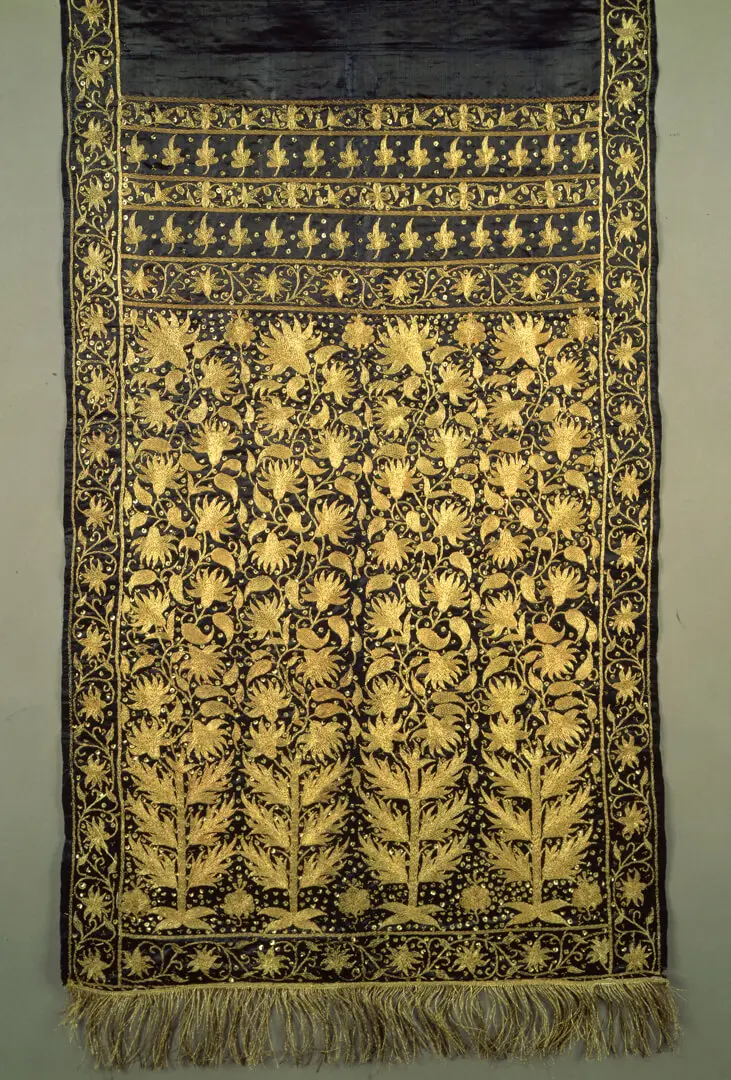
Glazed cotton, spangles, silver-gilt strips
Bikaner, India
Mughal period, 18th c. (2nd half)Inv. CA-CFC.1092