

Japan
Rooms - 1 | 2 | 3 | 4 | 5
Before the introduction of Buddhism in the 6th century from southwestern Korea, Japanese religious beliefs, Shinto, were centred around natural divine entities – kami - inhabiting and controlling all aspects of the living and material world. Buddhism helped introduce the Chinese writing system into Japan and establish Chinese as the official language of its imperial court, as prior to this, Japan had lacked a written language of its own.
To improve their knowledge of Buddhism and Chinese culture, between 7th and 9th centuries, Japan sent envoys to the Chinese Tang (618–907) imperial court. Tang China was marked by its tolerance and openness to foreigners and the outside world, which fostered the exchange of ideas, aesthetic sensibilities and new forms. The Japanese ambassadors, on their return home, brought new tastes and customs which would influence all aspects of Japanese life, including the performing arts of dance, drama and music.
Filter pieces by category
42 pieces
A courtesan reading a letter
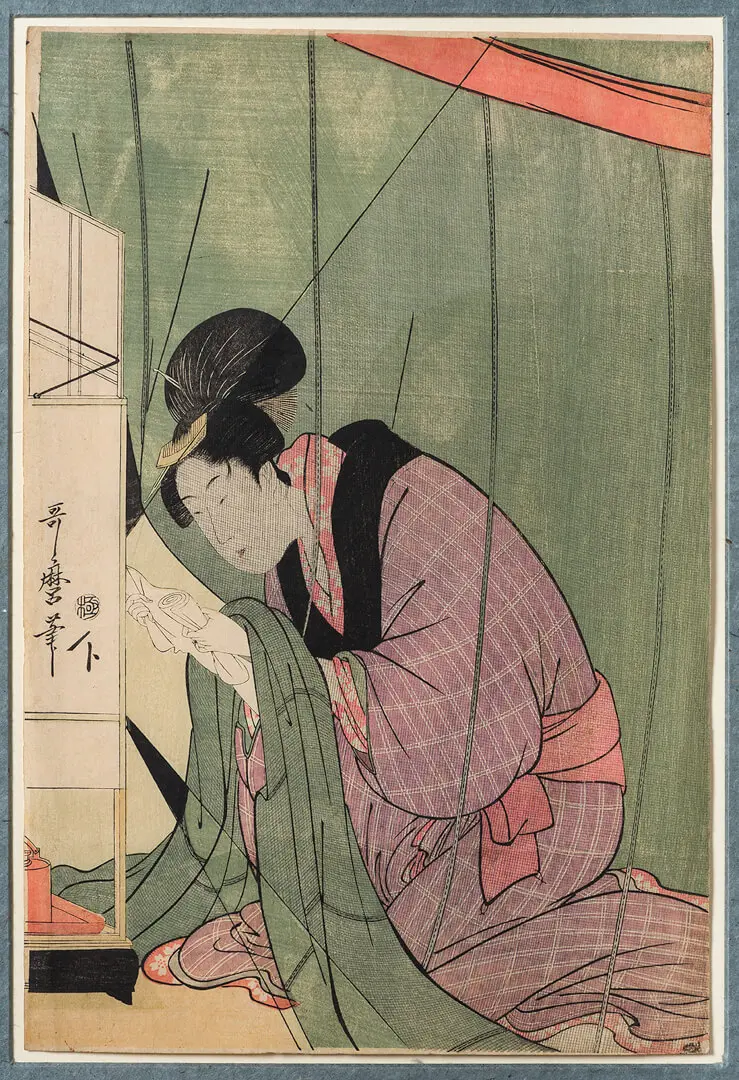
Woodblock print
Kitagawa Utamaro (1753–1806)
Edo period, 18th c. (late)Inv. CFC.3
Body of drum (Kotsuzumi)
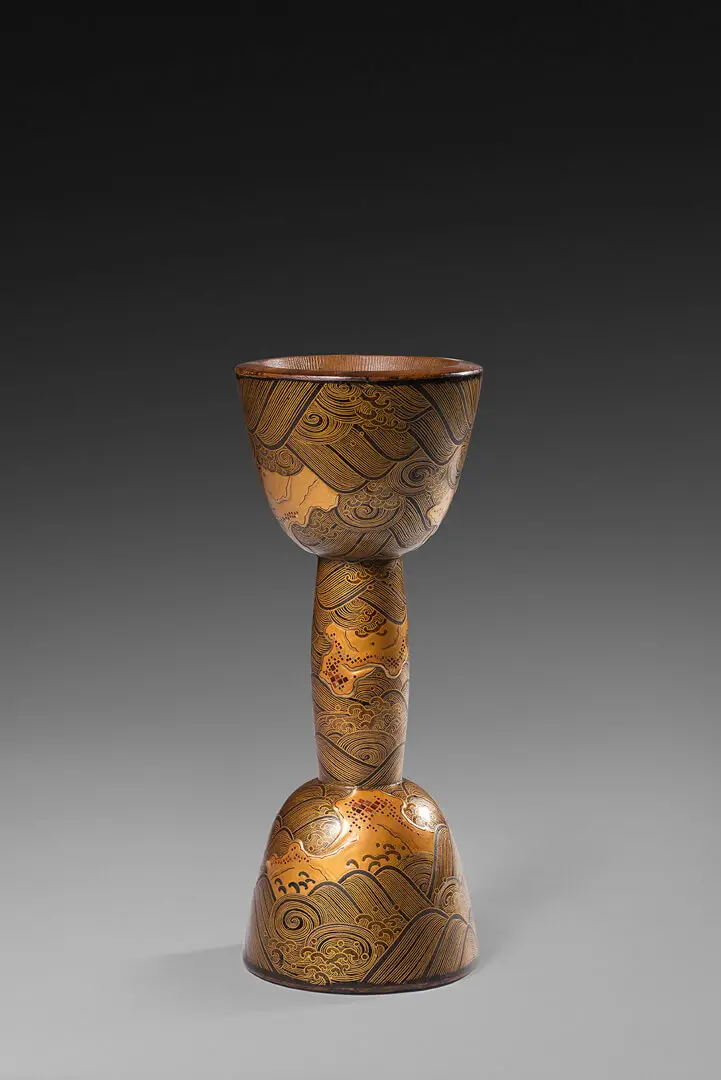
Wood, lacquer, gold
Edo period, 17th c.Inv. CA-CFC.837
Bowl
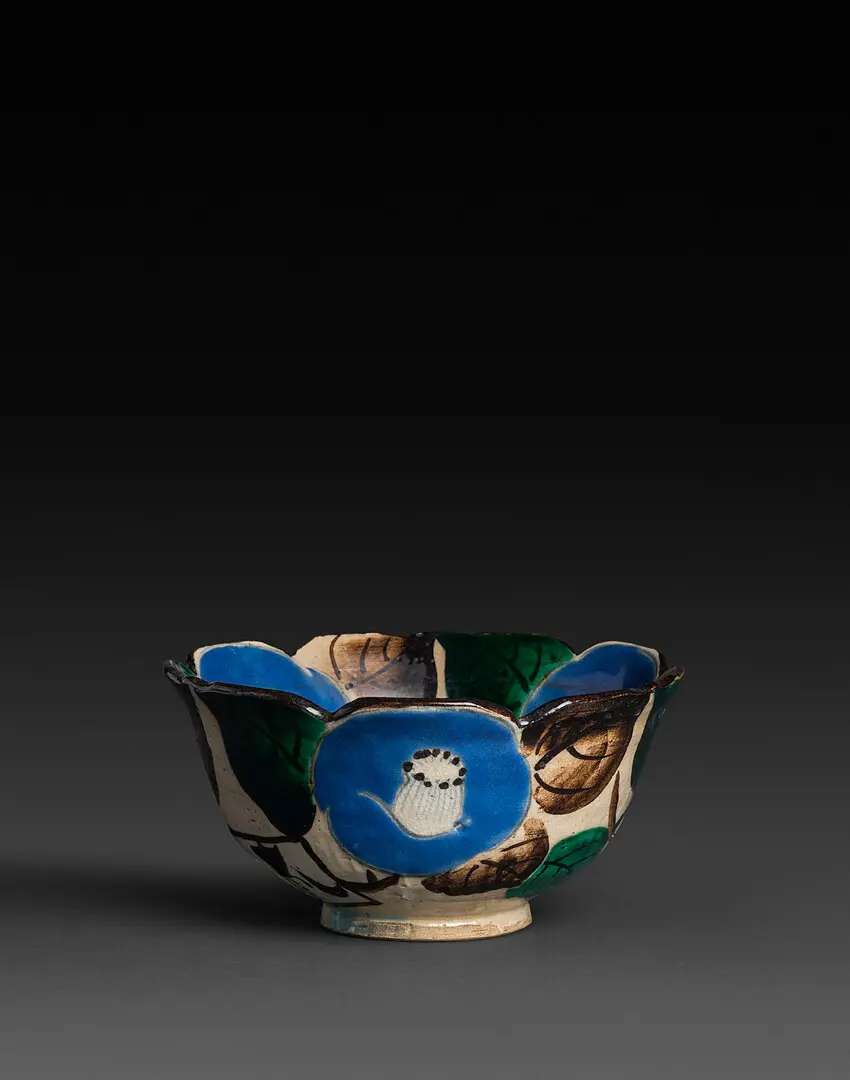
Stoneware, enamels
Signed Ogata Kenzan (1663–1743)
Rimpa School
Edo period, early 18th c.Inv. CA-CFC.419
Bowl "Korean style"
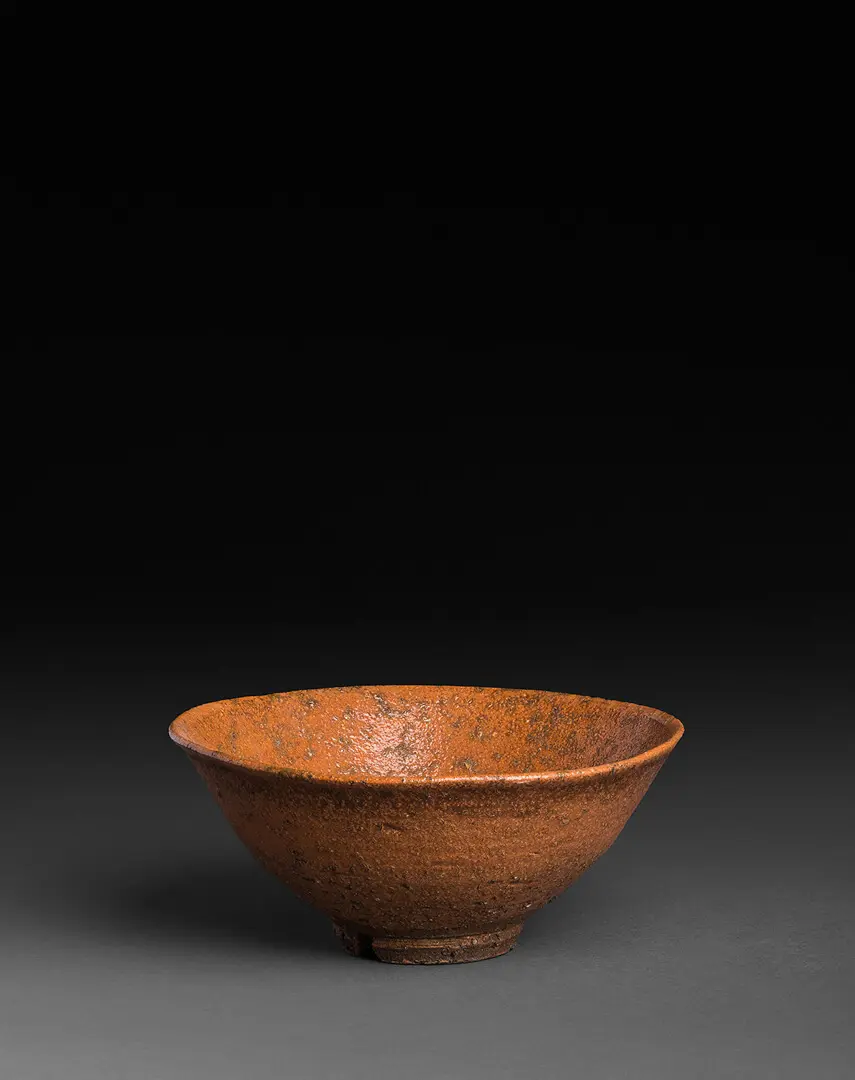
Stoneware, glazed
Edo Period, 18thc. (early)Inv. CA-CFC.422
Bowl on stand
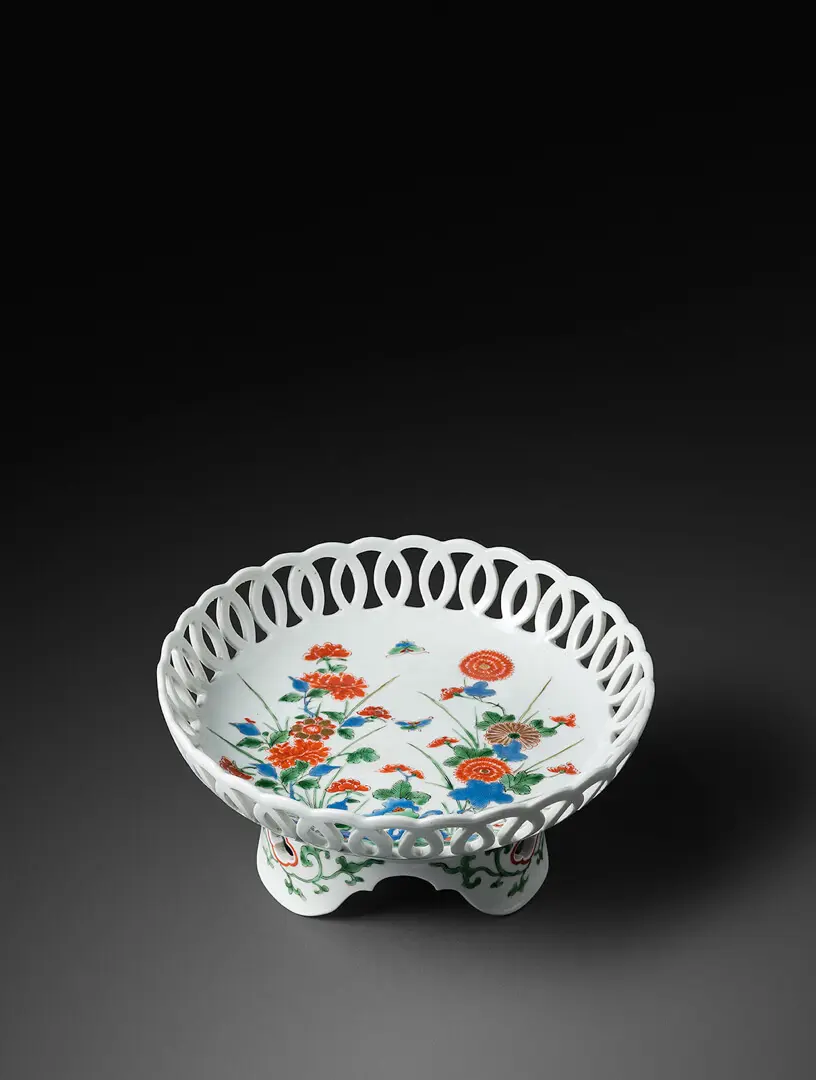
Porcelain, iron-red, blue, green, black enamels, gold
Kakiemon ware
Edo period, 17th c. (late)Inv. CA-CFC.1121
Chabako box with scene of Genji monogatari
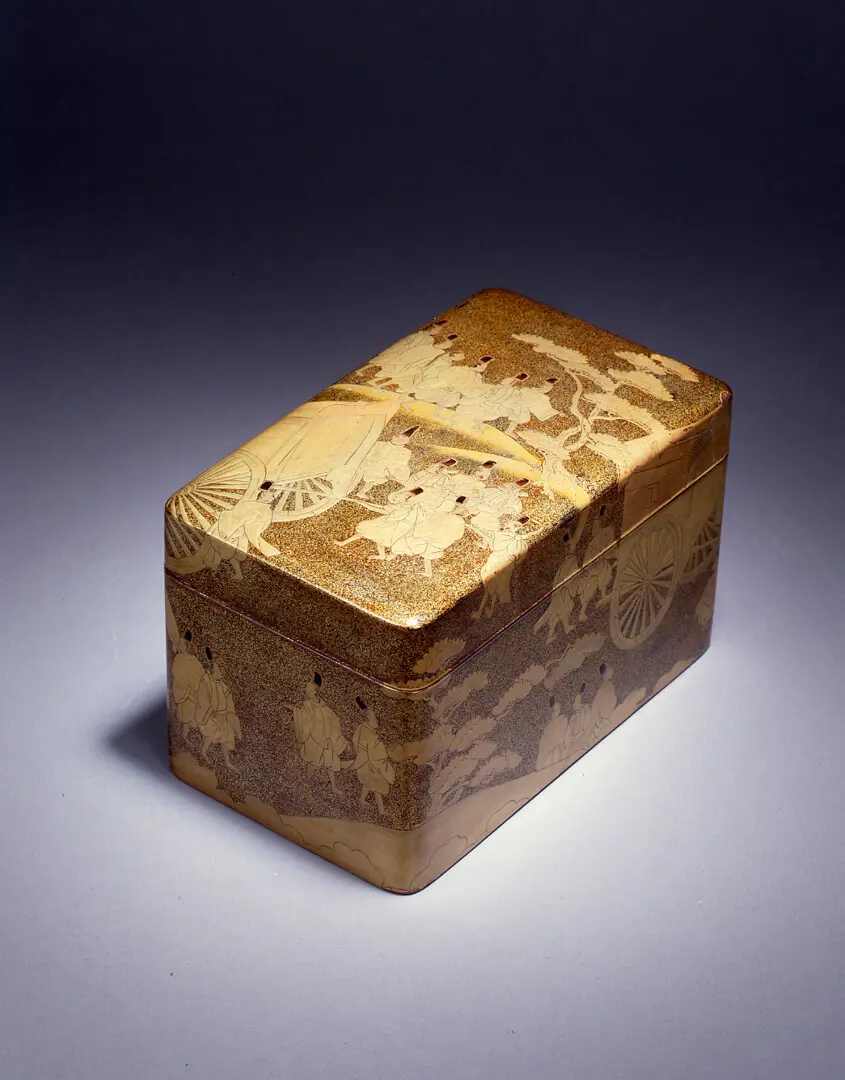
Wood, lacquer Nashi-ji (‘pear-skin’), gold
Momoyama period, 16th/ 17th c.Inv. CA-CFC.831.a.b
Charger
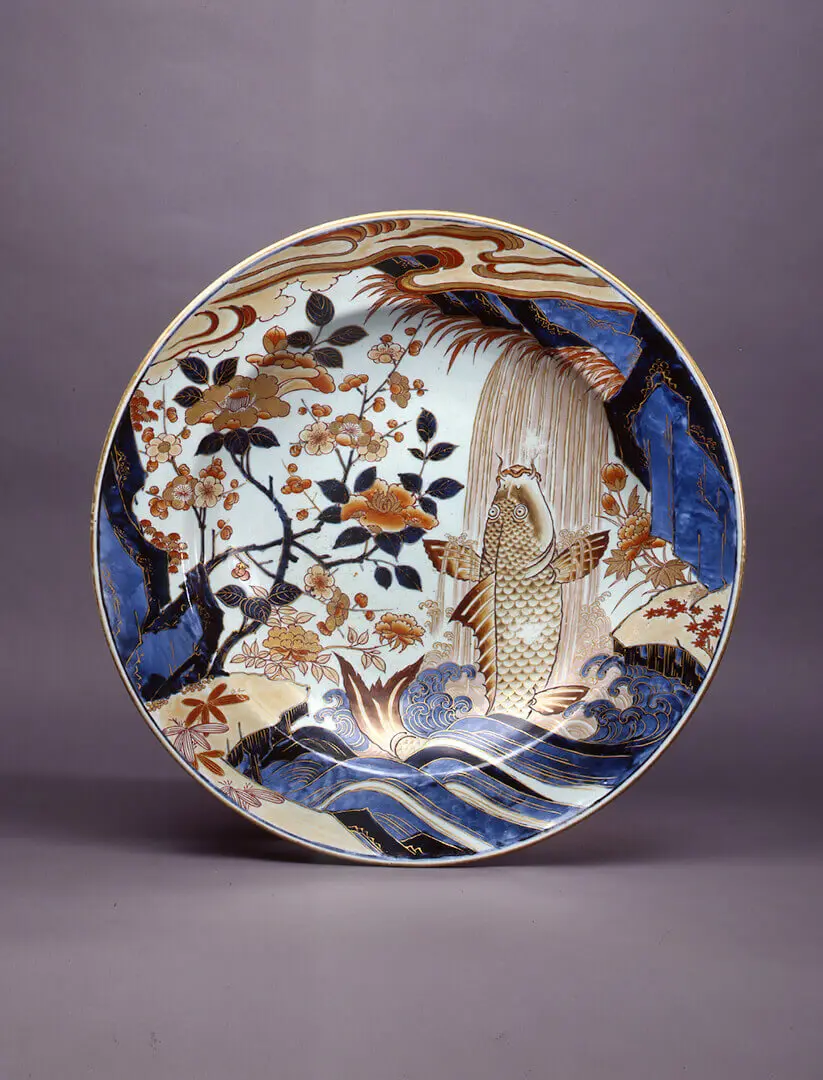
Porcelain, underglaze blue, overglaze enamels and gold
Imari ware
Edo period, 17th c. (late)Inv. CA-CFC.416
Cosmetic box
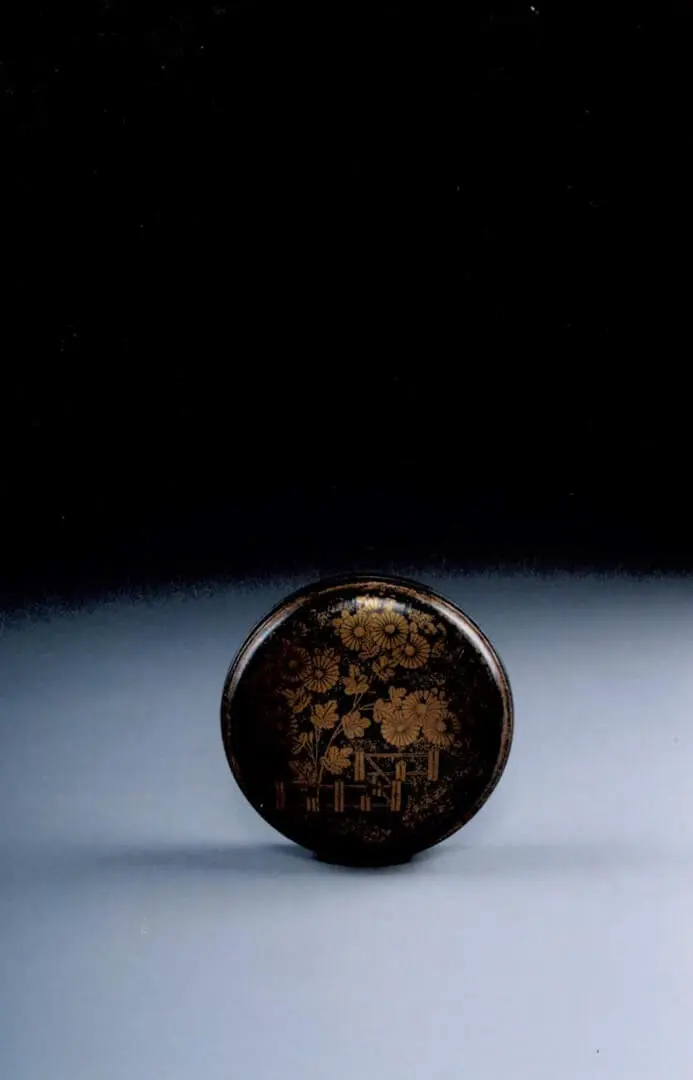
Wood, lacquer, gold
Muromashi period, 15th c.Inv. CA-CFC.825
Courtesans and Chrysanthemums in winter
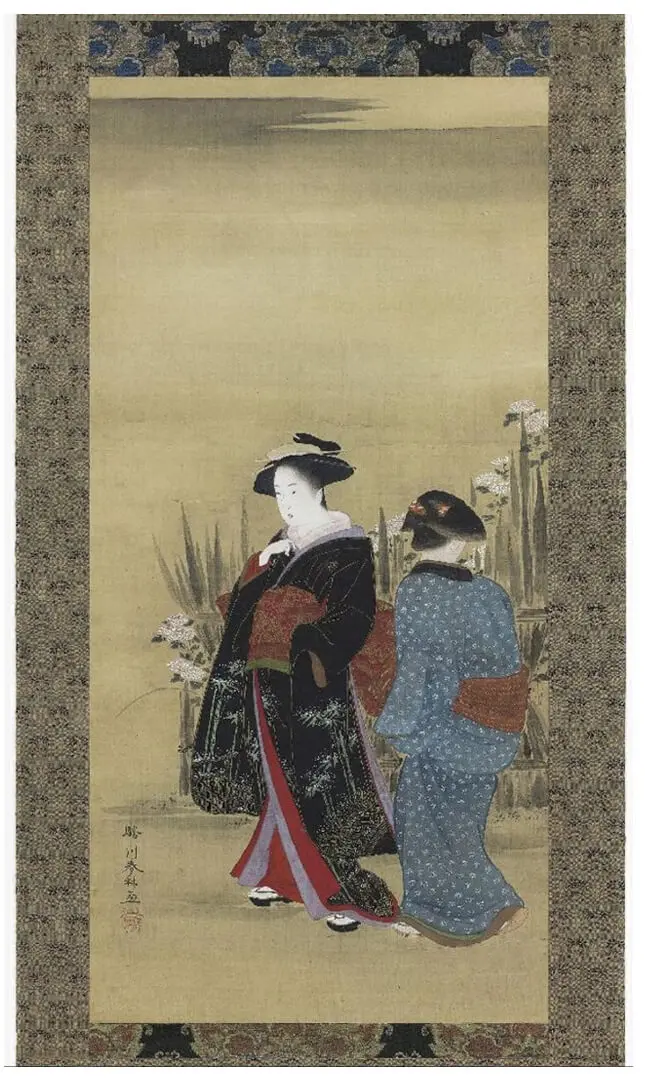
Ink, pigments on silk, silk brocades
Katsukawa Shunrin (act. 1784–1800)
Edo period, 18th c. (late)Inv. CFC.47
Dish
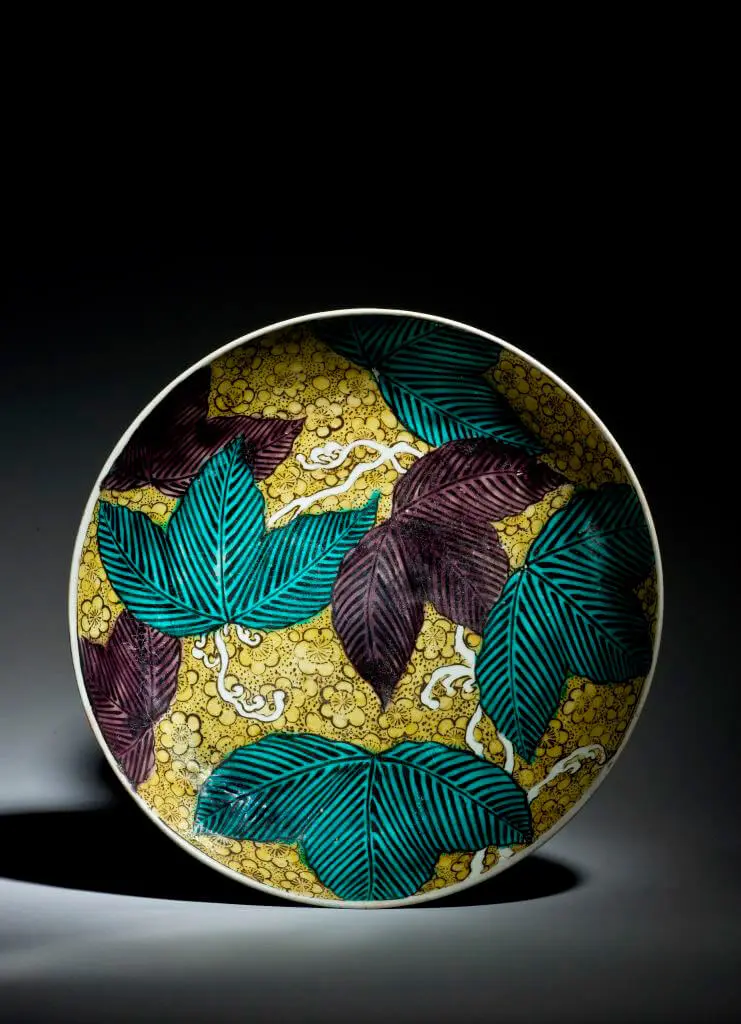
Porcelain, overglaze enamels
Hizen ware, ao de Ko Kutani
Edo period, ca. 1660Inv. CA-CFC.418
Fighting cocks (toriawase)
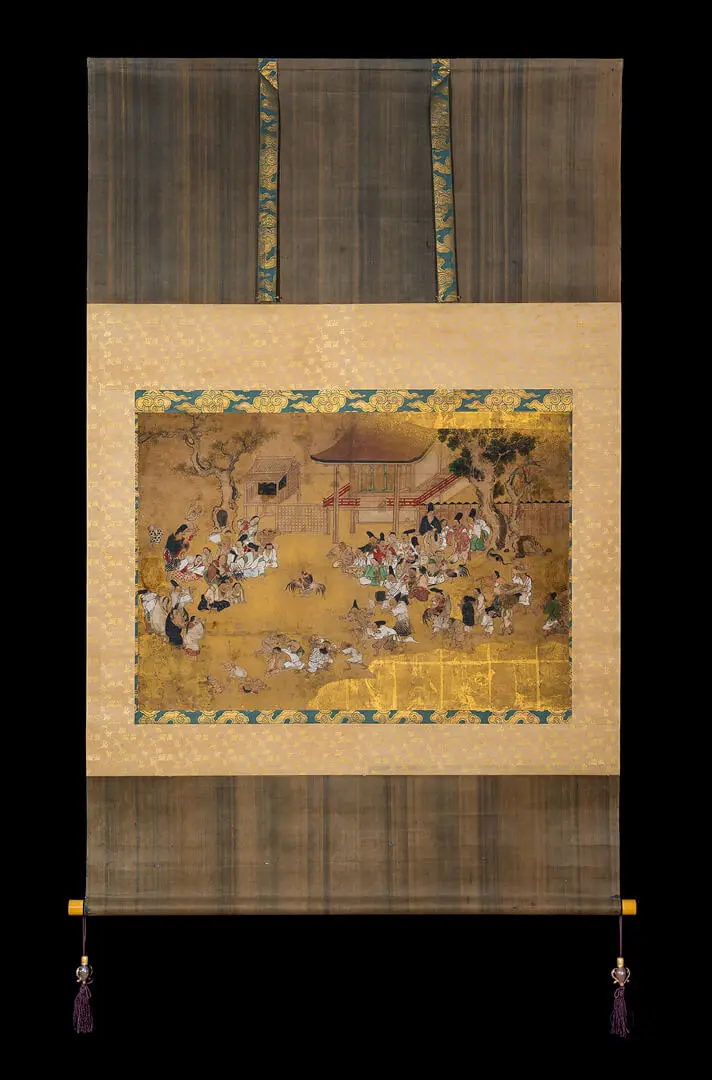
Ink, pigments, gold on paper, silk brocades
Muromachi period, 15th c.Inv. CFC.33
Figure of Amida Buddha
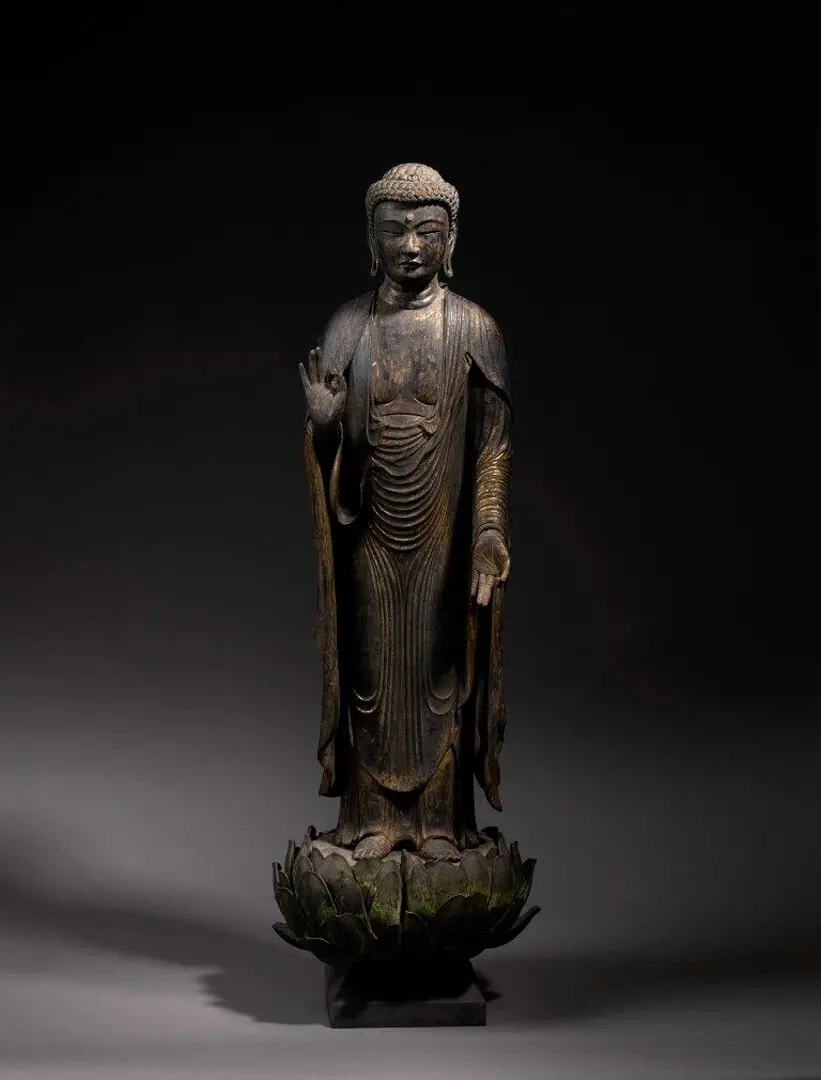
Wood, lacquer, gold, rock crystal eyes
Heian period, 12th c.Inv. CFC.75
Figure of Amida Buddha
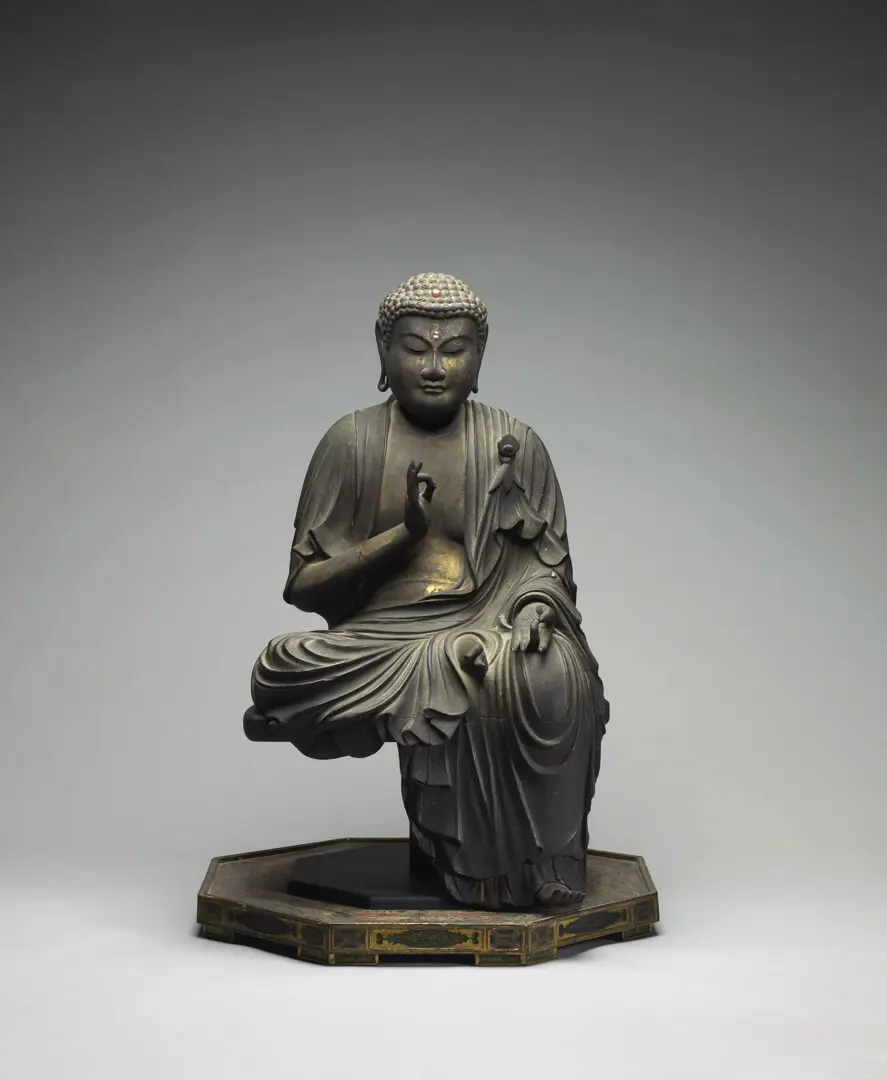
Wood, lacquer, gold, rock crystal eyes
Muromachi period, 15th c. (mid)Inv. CA-CFC.448
Figure of Zochoten
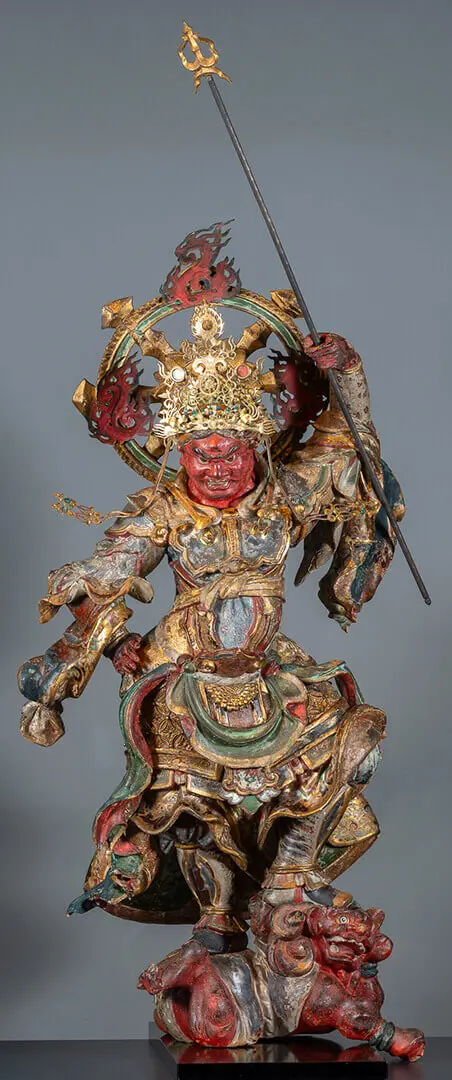
Wood, pigments, gold, metal, rock crystal eyes
Muromachi period, 15th c. (mid)Inv. CA-CFC.449
Folding screen "Scenes in and around the capital"
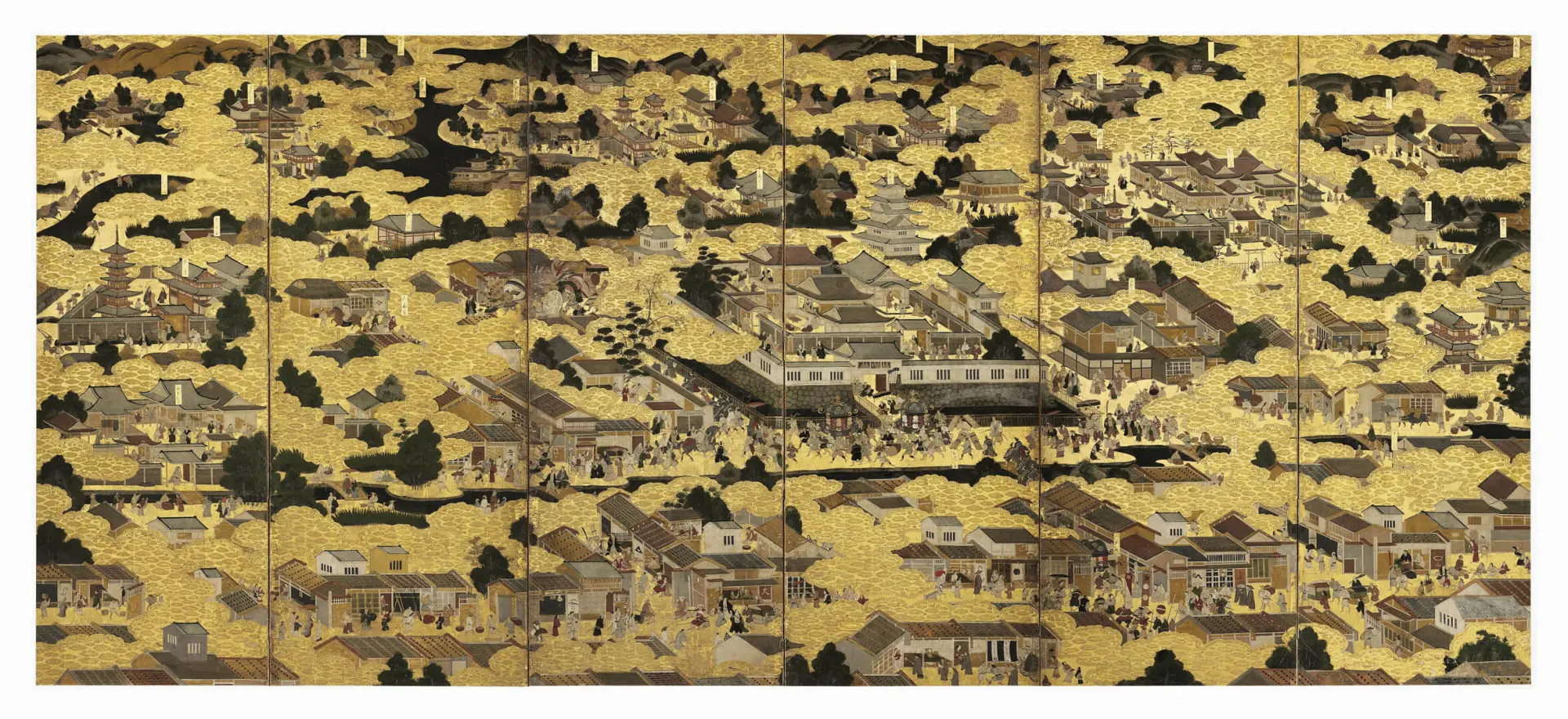
Ink, pigments, gold on paper
Six-panel
Momoyama-Edo period, early 17th c. (early)Inv. CFC.70
Folding screen "Willows and the Uji Bridge"
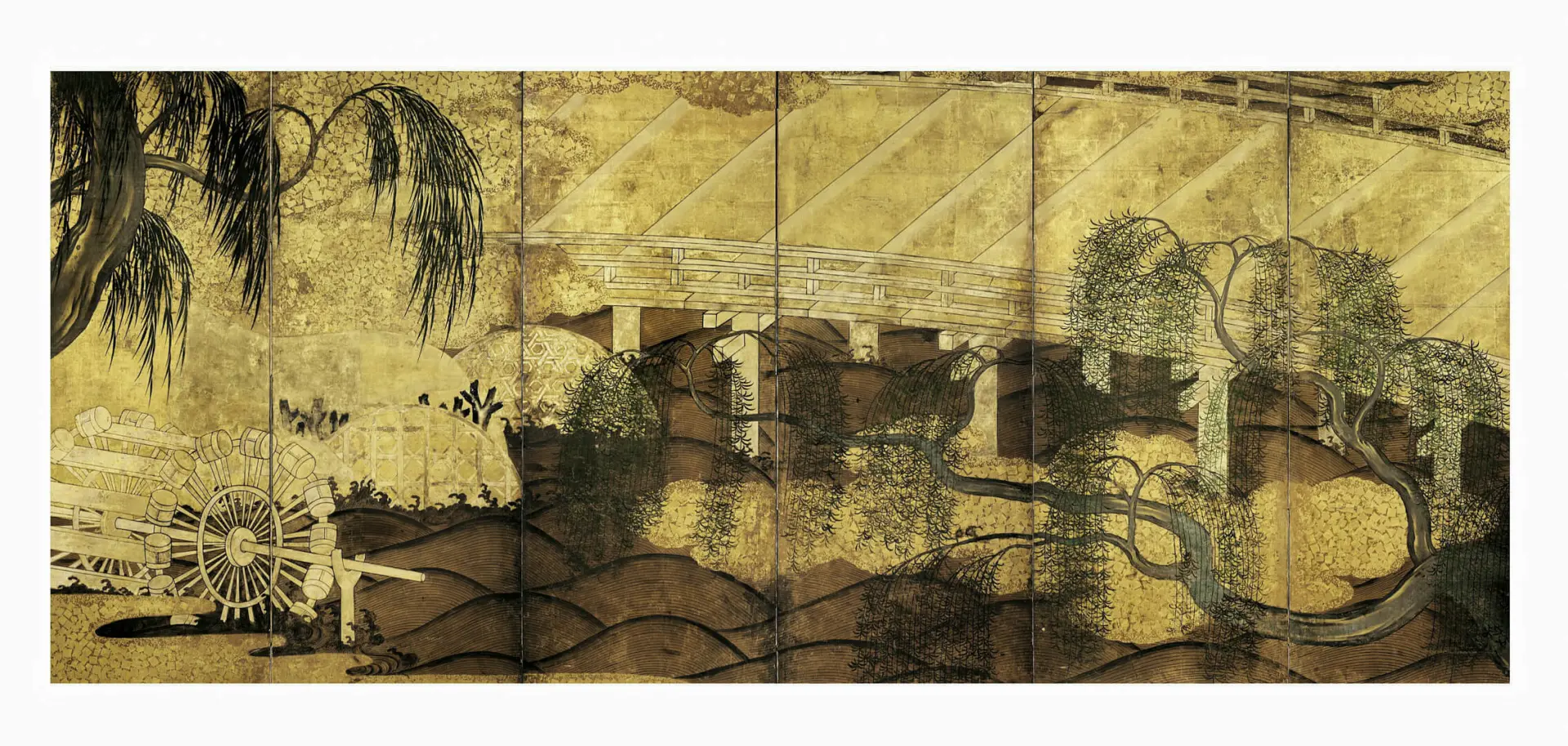
Ink, pigment, gold on paper
Six-panel
Momoyama period, 16th/ 17th c.Inv. CFC.71
Food container (Kashiki)
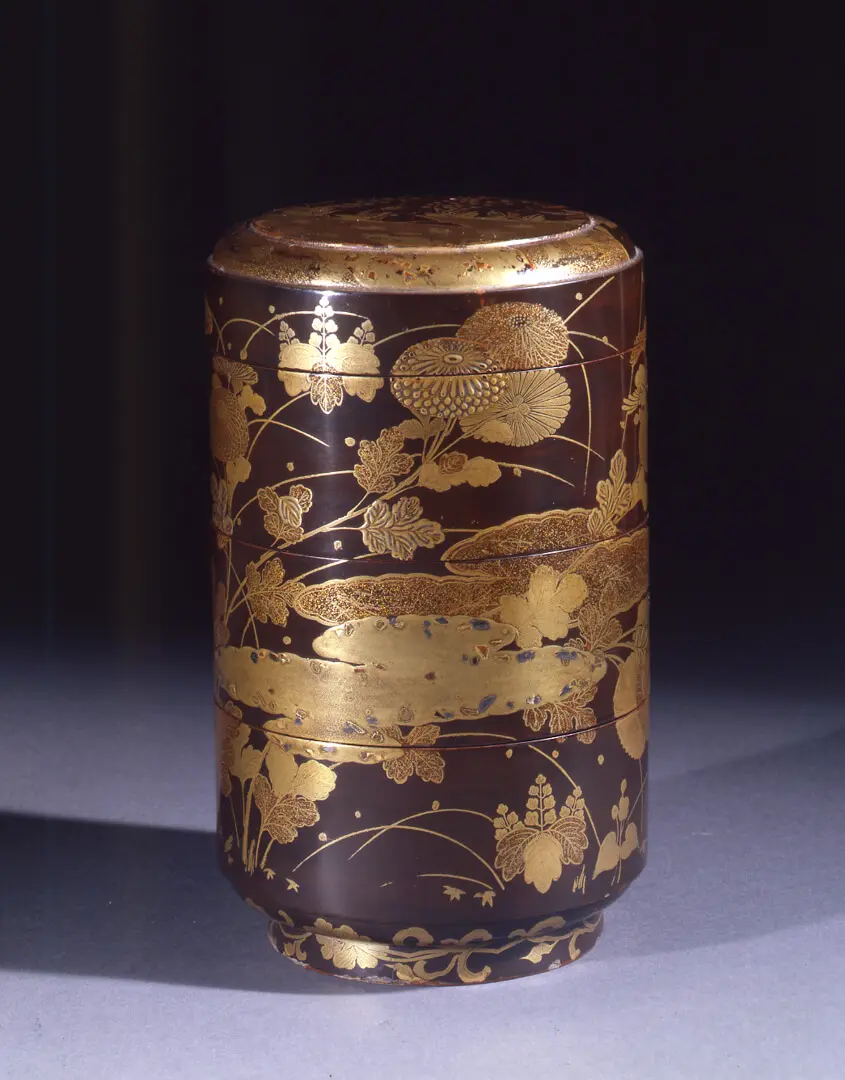
Wood, Kodai-ji lacquer, gold, silver, shell
Momoyama period, 16th c. (late)Inv. CA-CFC.830
Food container (Kashiki)
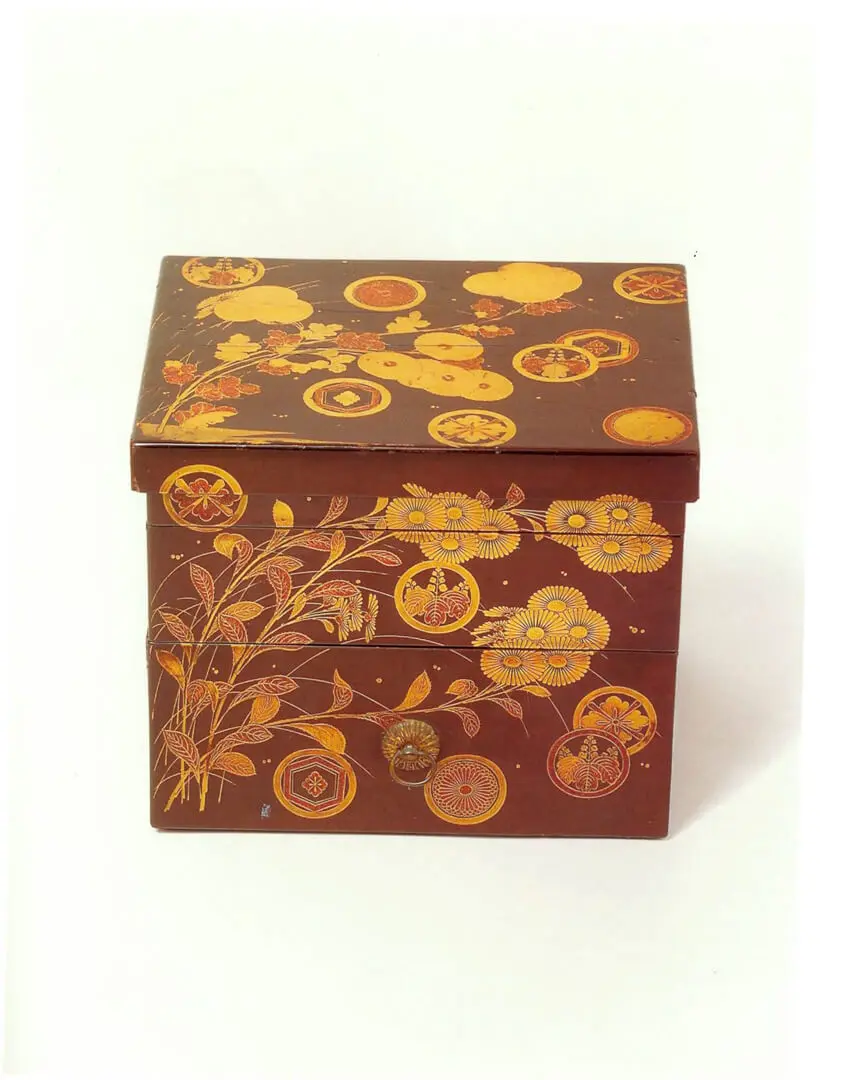
Wood, Kodai-ji lacquer, gold, copper
Momoyama-Edo Period, 16th century (late)Inv. CA-CFC.842
Fushikizio Noh mask
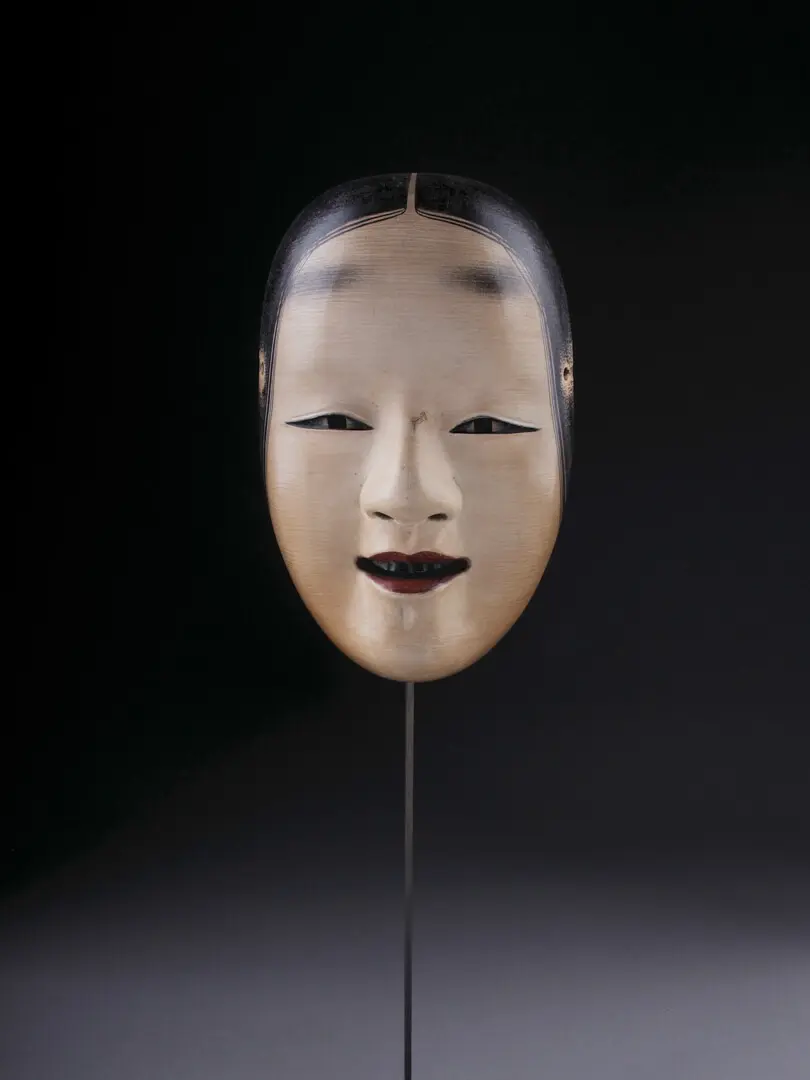
Paulownia wood, pigments
Edo period, 18th c.Inv. CA-CFC.856
Incense burner
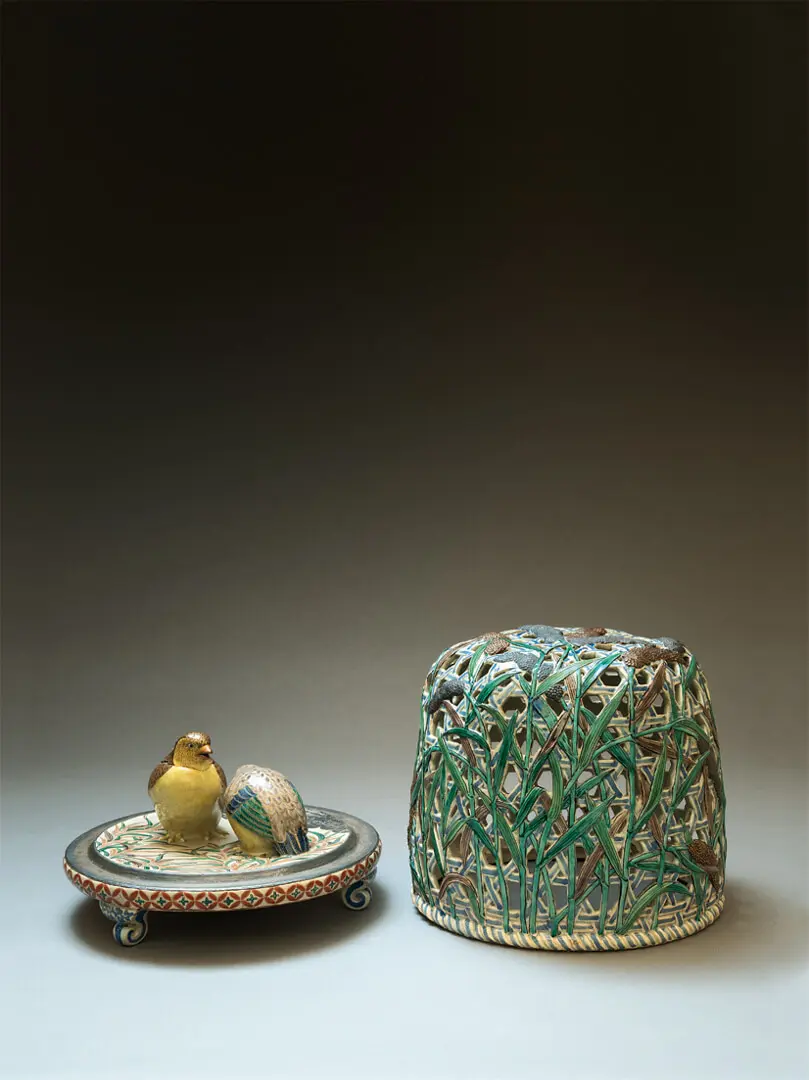
Stoneware glazed, enamels
Kyoto ware
Edo period, 18th c.Inv. CA-CFC.1122
Incense-utensil box
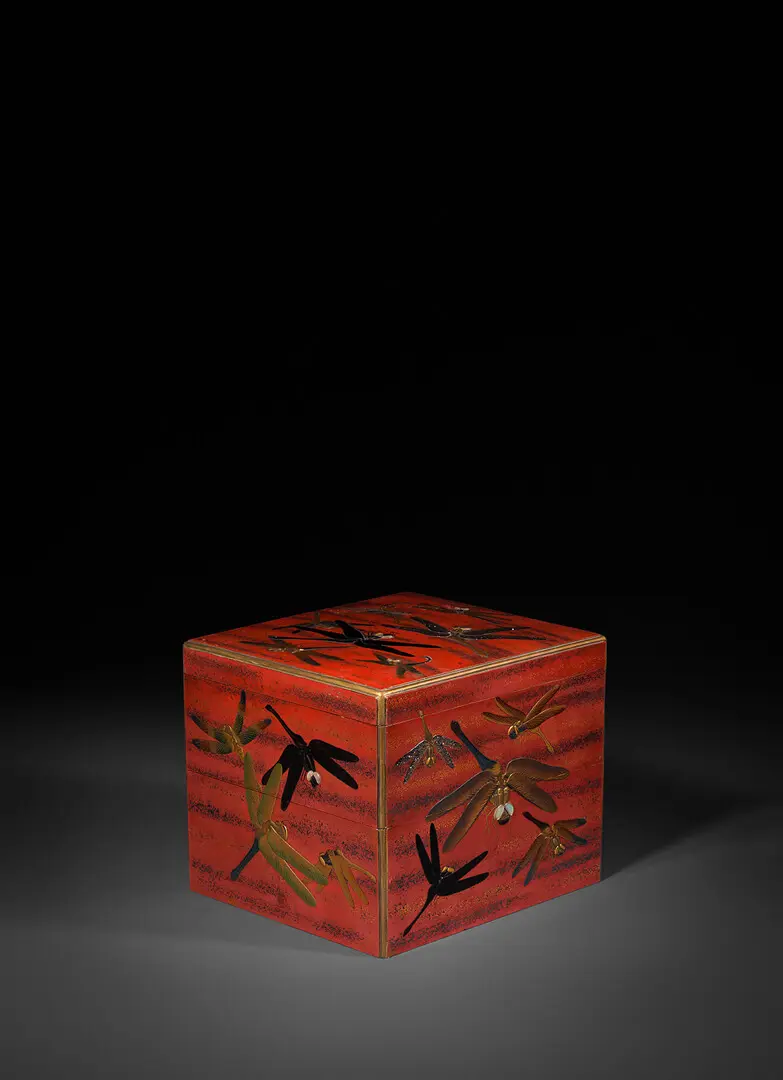
Wood, lacquer, gold, silver, mother-of-pearl, precious stones
Signed Kanshosai with monogram
Edo period, 18th/19th c.Inv. CFC.68
Jar and cover
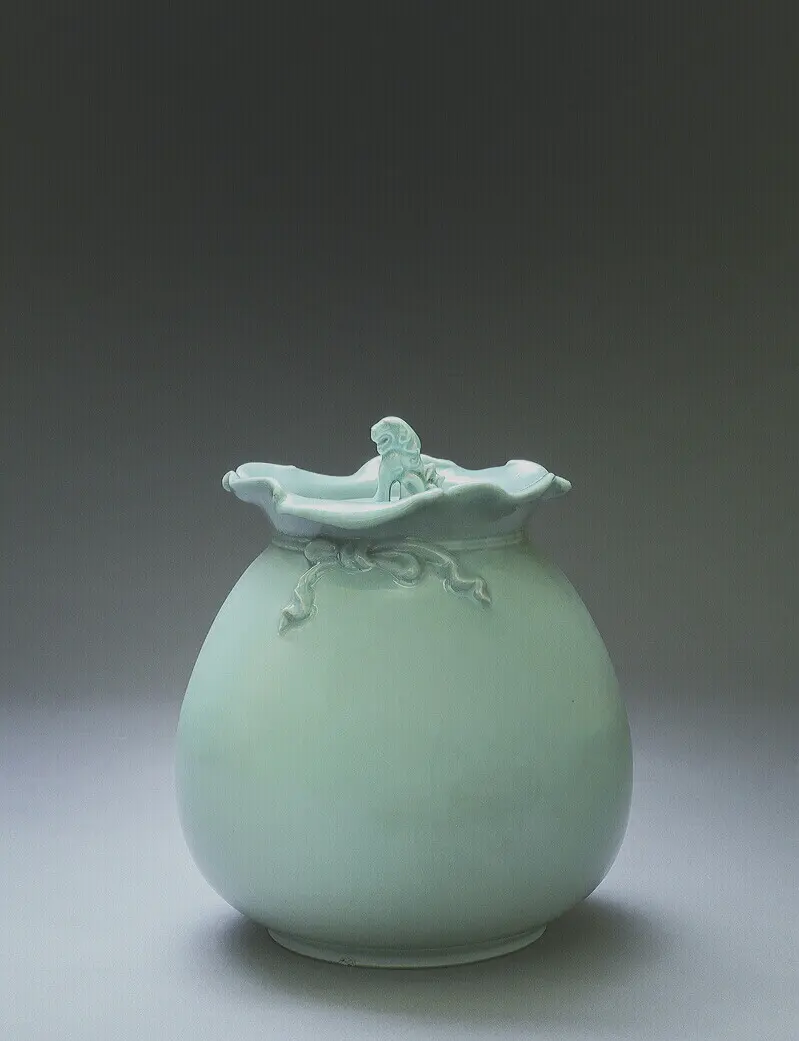
Porcelain, celadon glaze
Nabeshima ware
Edo period, 17th/18th c.Inv.CA-CFC.1119
Karaori Noh costume
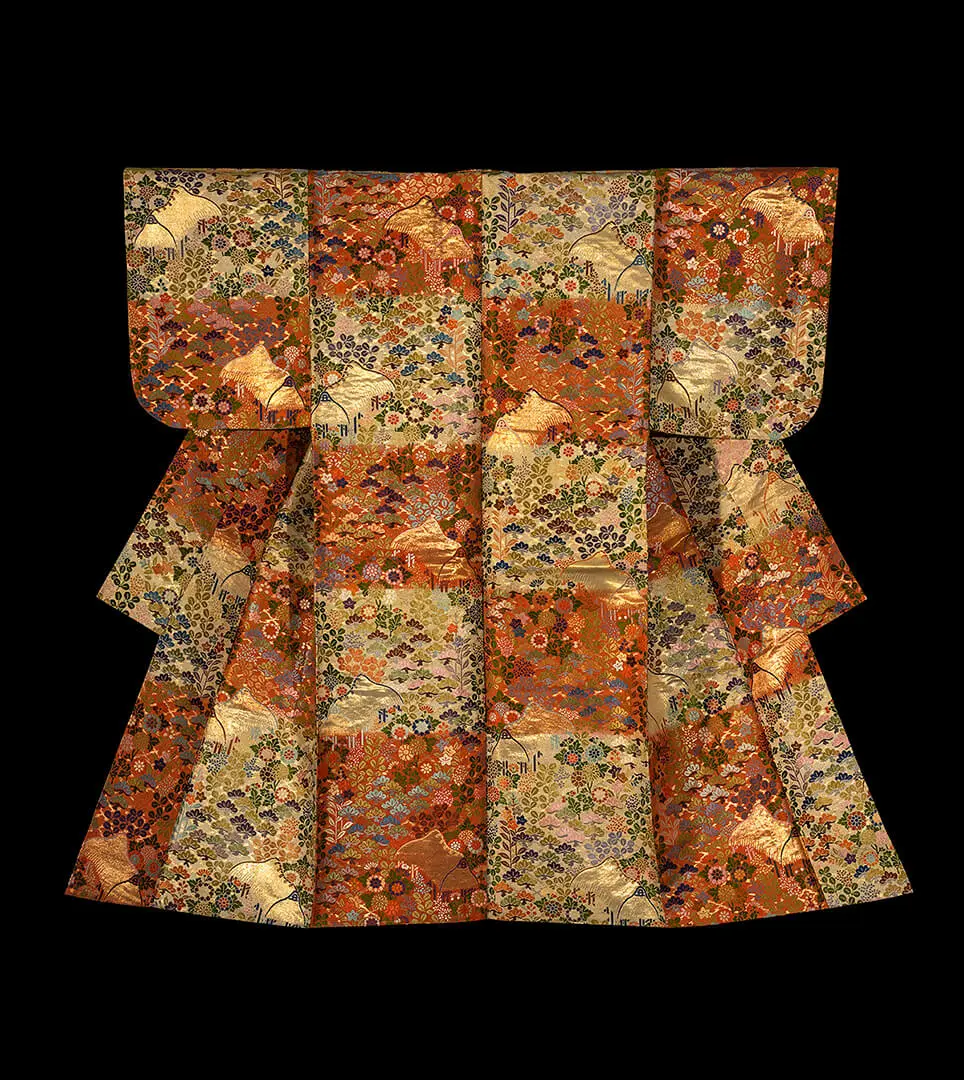
Silk brocade, gold thread
Edo period, 18th c. (late)Inv. CA-CFC.440
Kojishi Noh mask
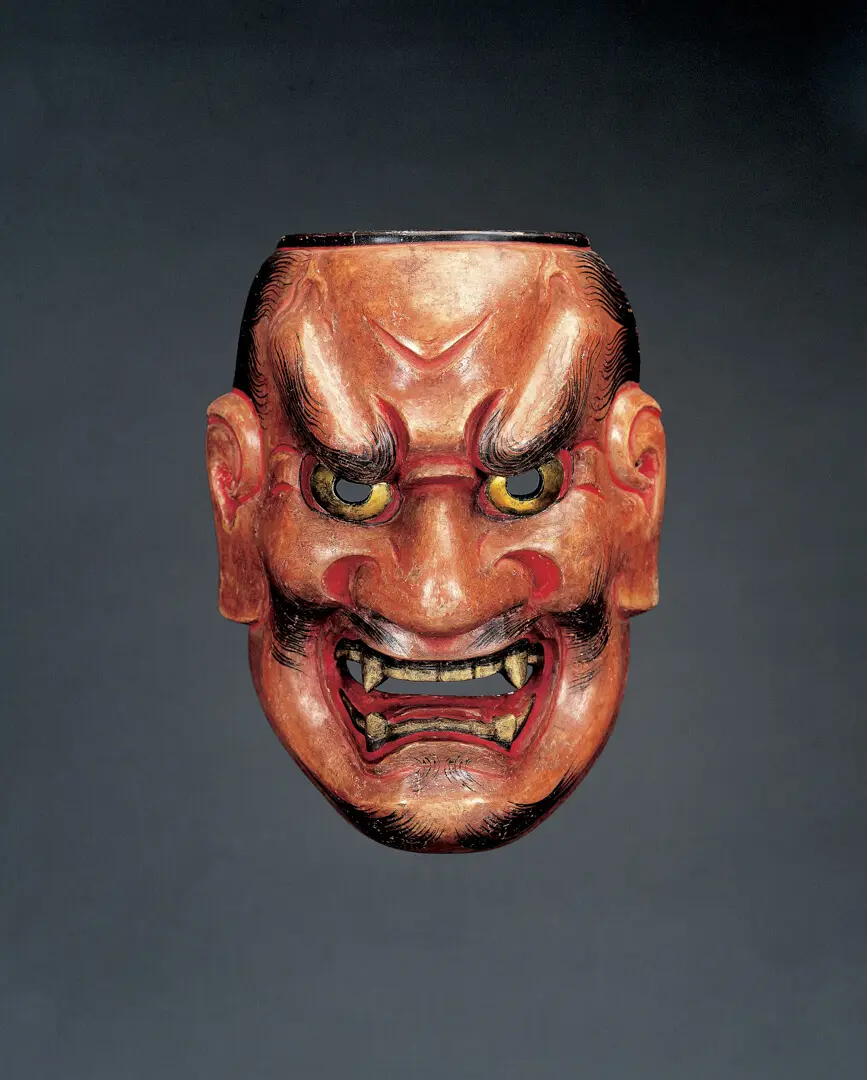
Paulownia wood, metal, pigments, gold
Momoyama period, 16th c. (late)Inv. CA-CFC.854
Kongo vajra
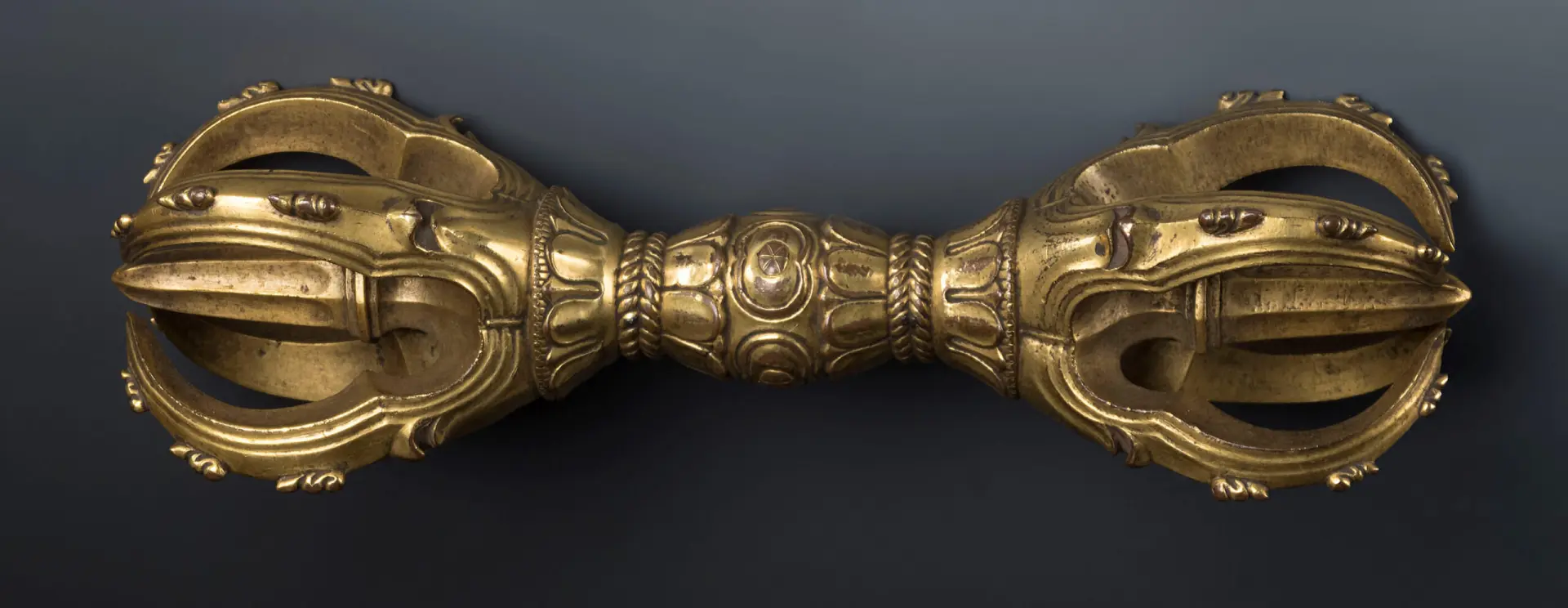
Gilded bronze
Kamakura period, 13th c.Inv. CA-CFC.1132
Letter of Monk Musashibo Benkei
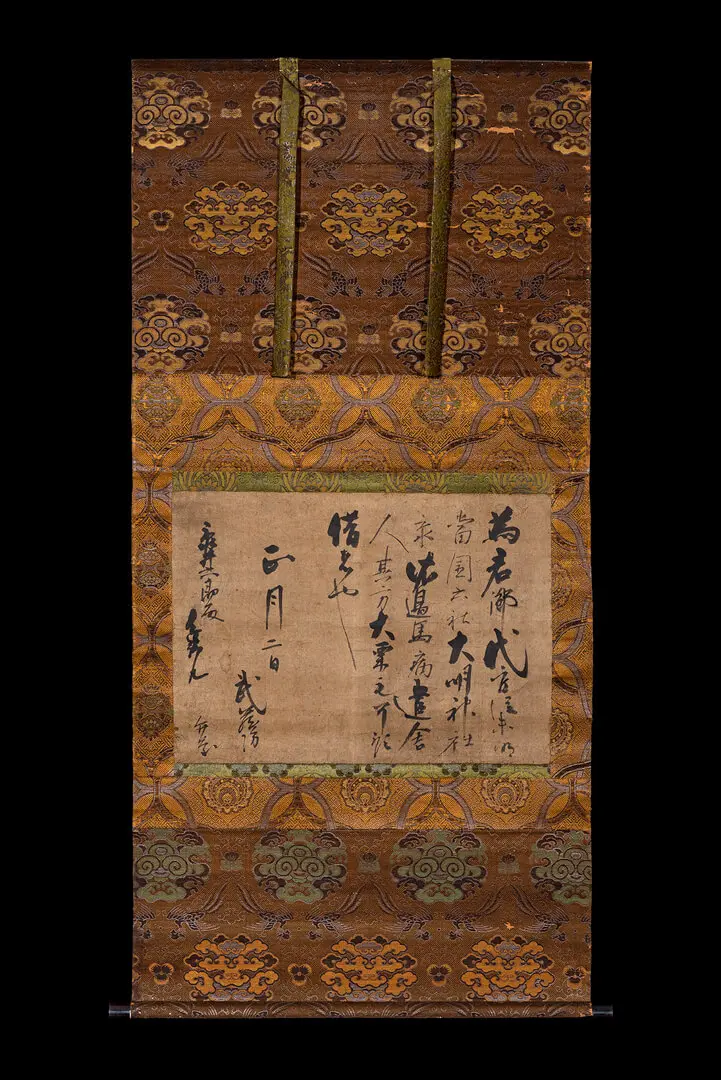
Ink on paper, silk brocades
Musashibo Benkei (1155–1189)
Heian period, 12th c. (late)Inv. CA-CFC.909
Mother, child and a friend
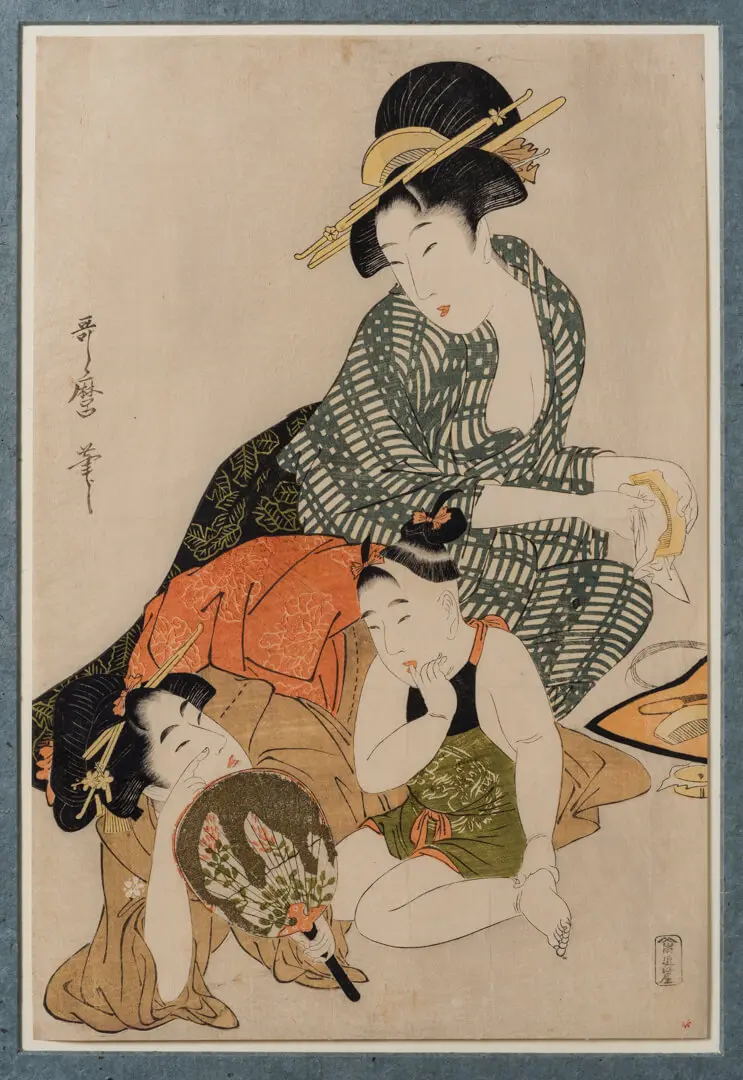
Woodblock print
Kitagawa Utamaro (1753–1806)
Edo period, 18th c. (late)Inv. CFC.6
Nanban chest
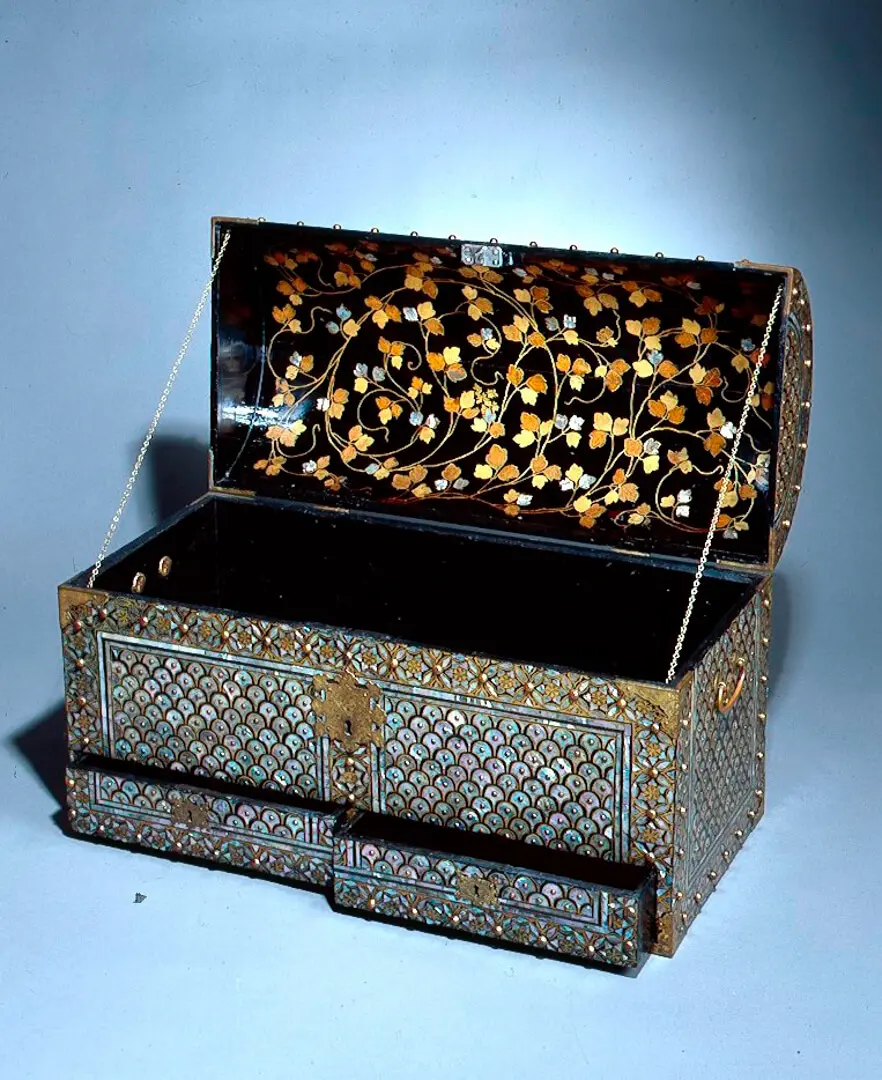
Wood, lacquer, gold, mother-of-pearl
Momoyama period, 16th/17th c.Inv. CA-CFC.832
Negoro sake ewer
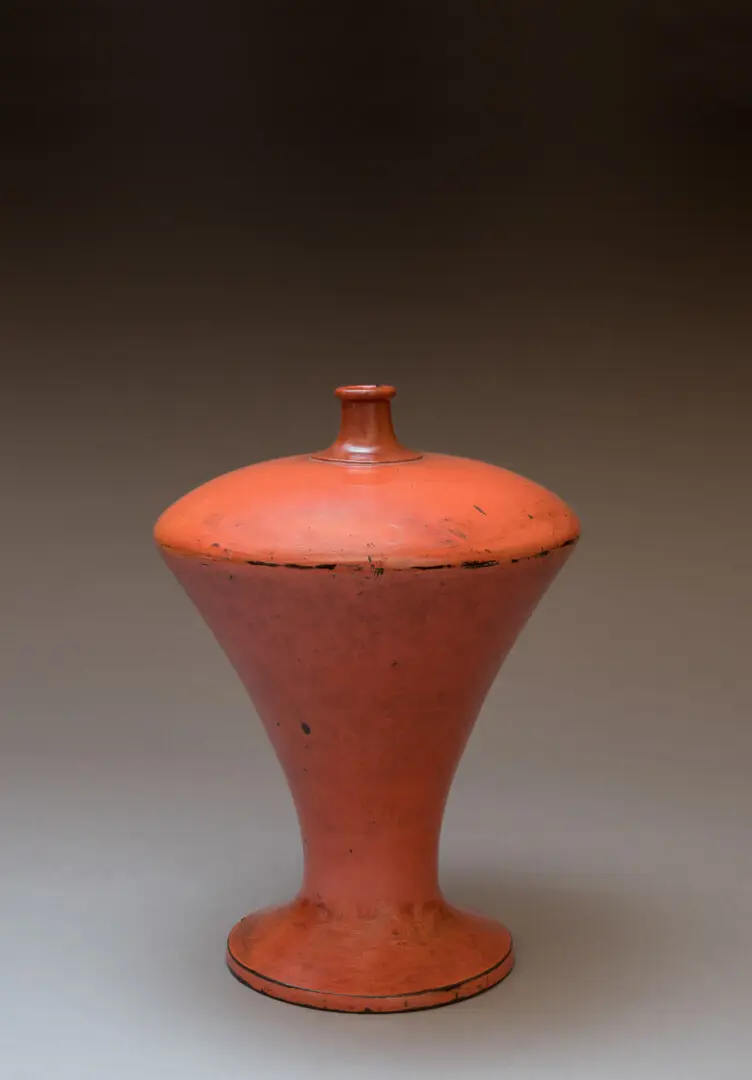
Wood, lacquer Negoro type
Muromachi period, 15th c.Inv. CA-CFC.69
Pair of folding screens "Grasses and flowers of four seasons"
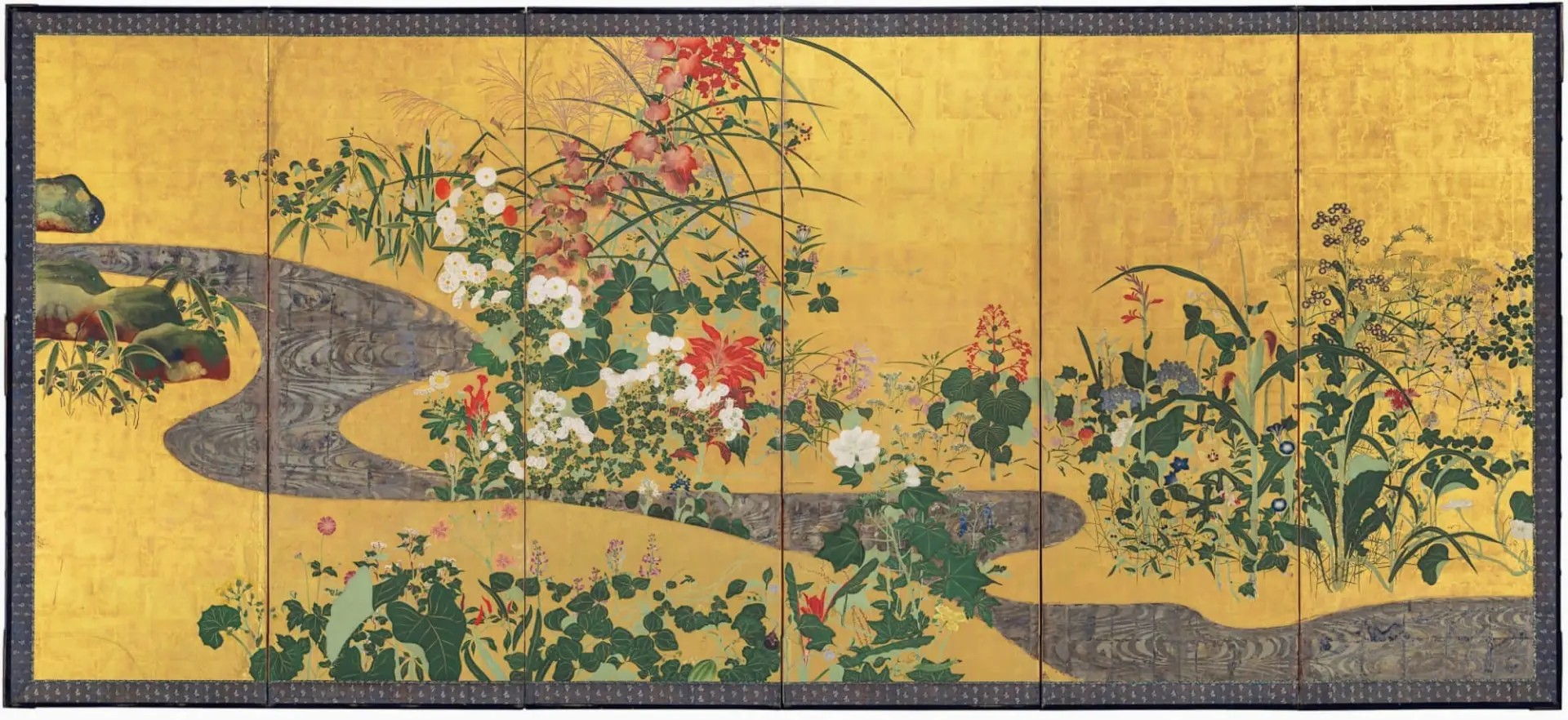
Ink, pigments, gold on paper
Six-panel
Rimpa school
Edo period, 18th c. (2nd quarter)Inv. CFC.95.1/2
Presentation box
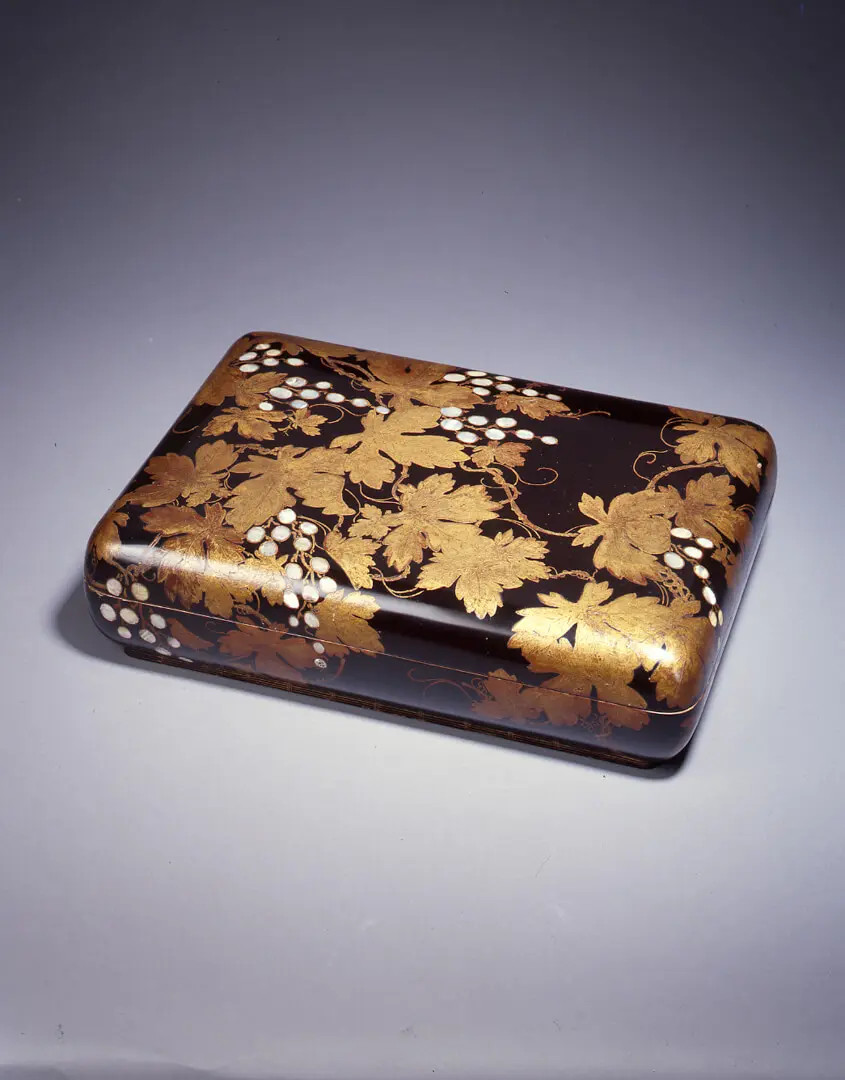
Wood, lacquer, gold, shell
Ryukyu islands
Second Sho dynasty, 18th c.Inv. CA-CFC.838
Saké bottle
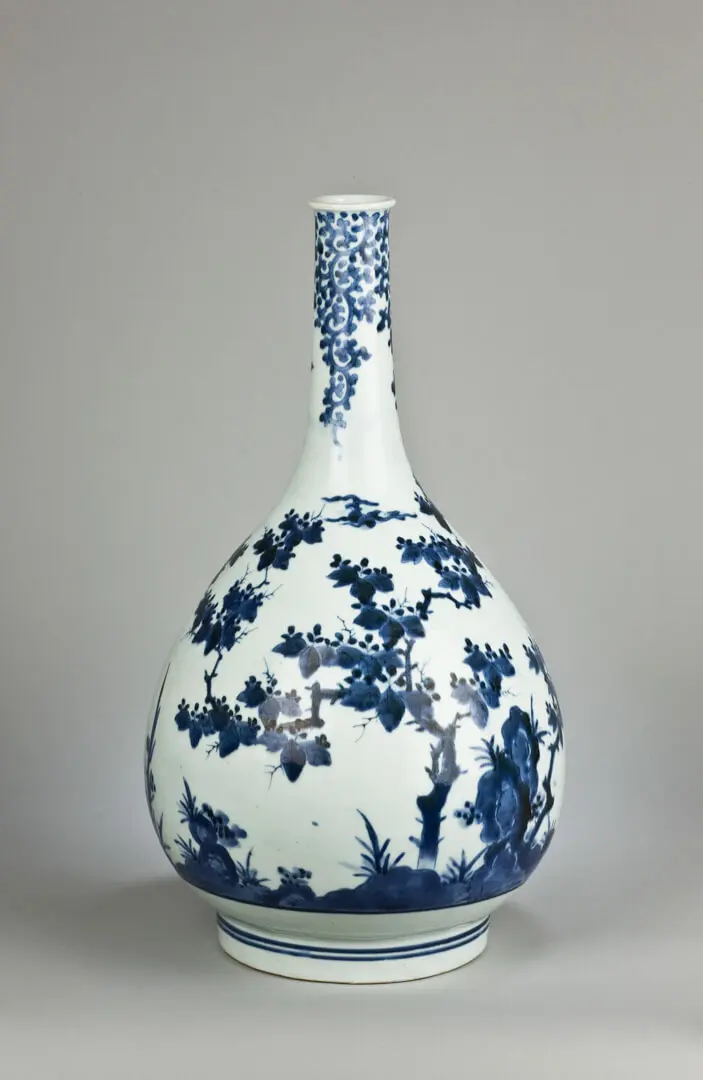
Porcelain, underglaze blue
Arita ware
Edo period, ca. 1660–1680Inv. CA-CFC.417
Sake ewer (Katakuchi)
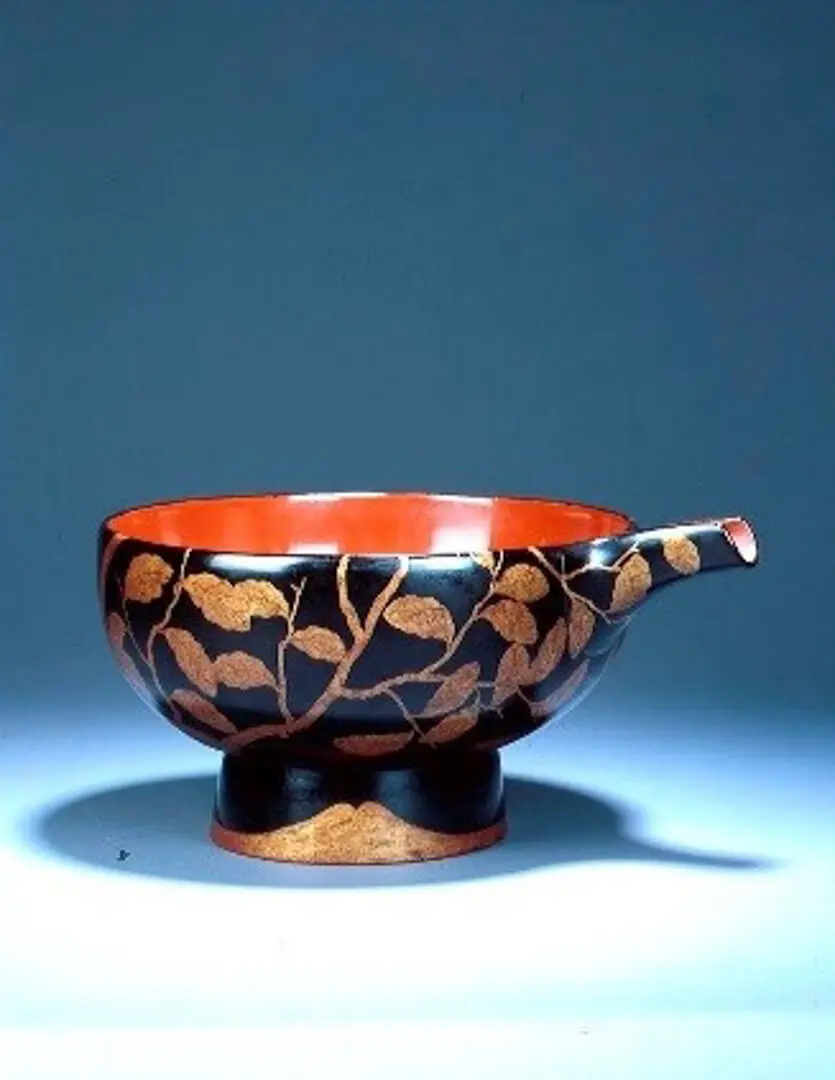
Wood, lacquer, gold
Momoyama-Edo period, 16th/17th c.Inv. CA-CFC.829
Set of three Negoro bowls
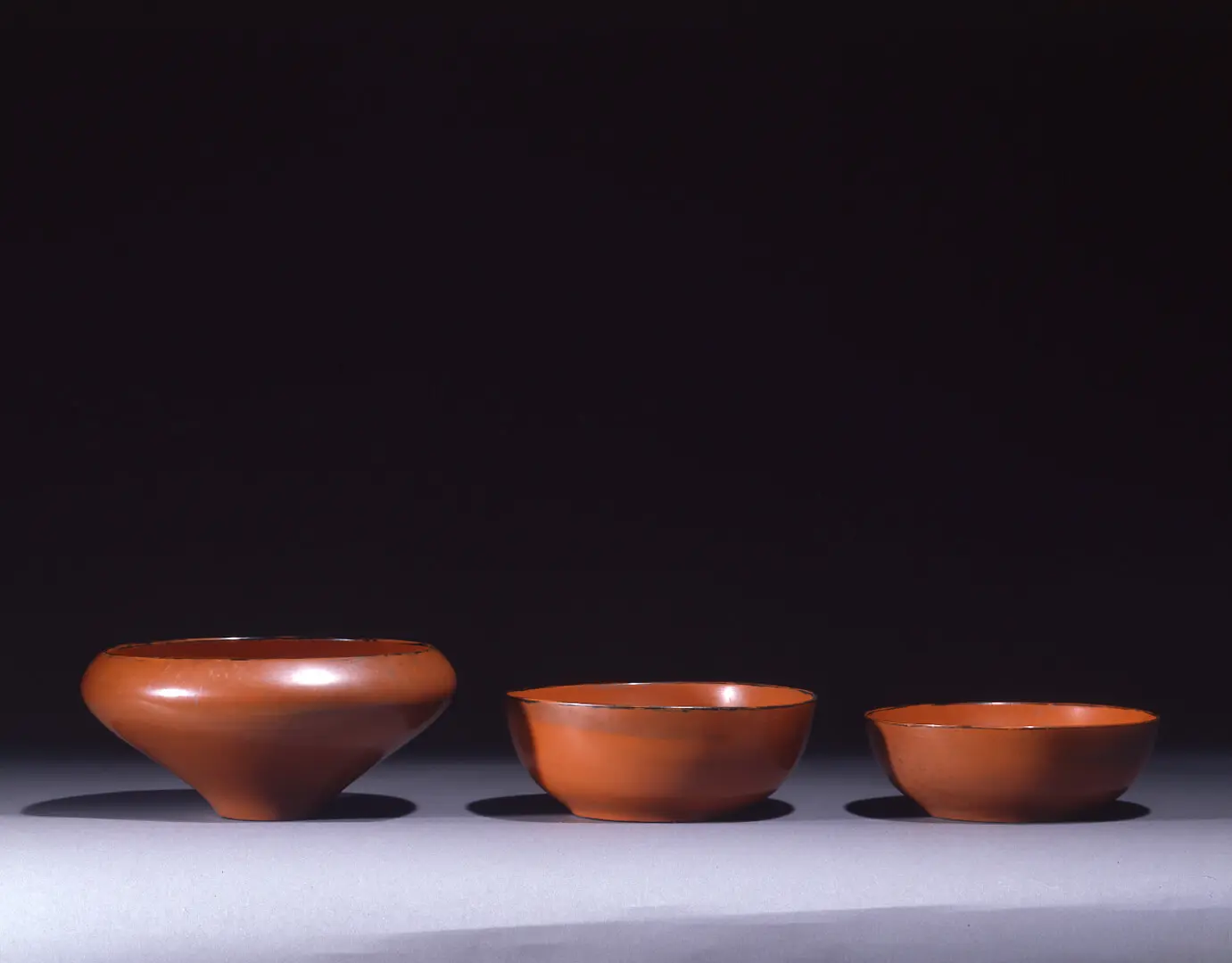
Wood lacquer Negoro type
Momoyama period, 16th c. (late)Inv. CA-CFC.828
Table
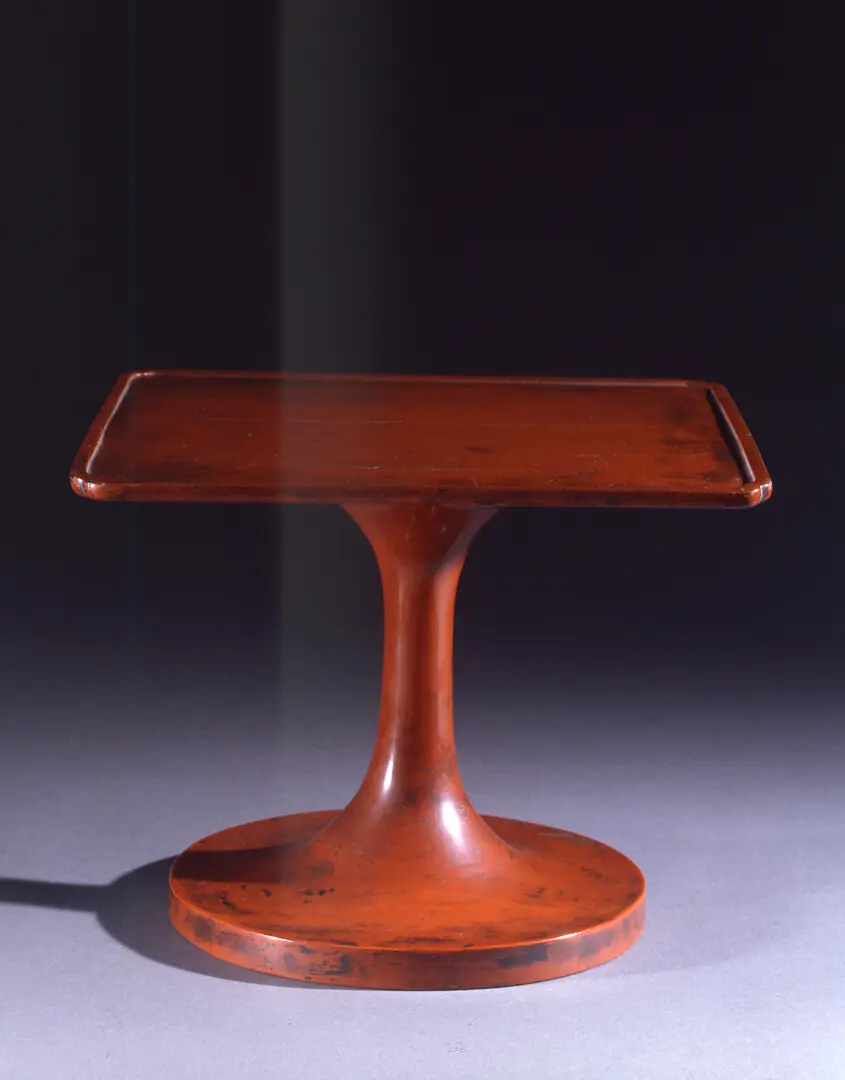
Wood, lacquer Itálico type
Muromachi period, 15th/16th c.Inv. CA-CFC.826
Table cabinet
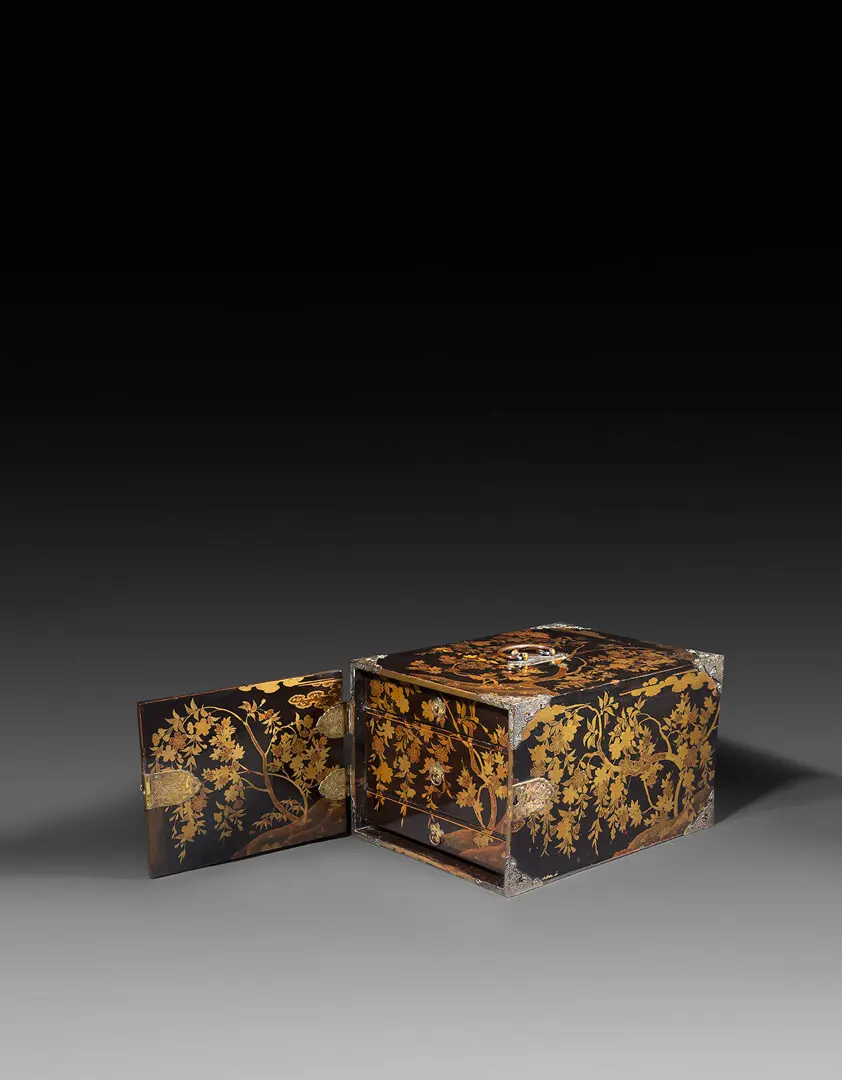
Wood, Kodai-ji lacquer, gold, copper
Momoyama-Edo Period, 16th/17th c.Inv. CA-CFC.841
Tray
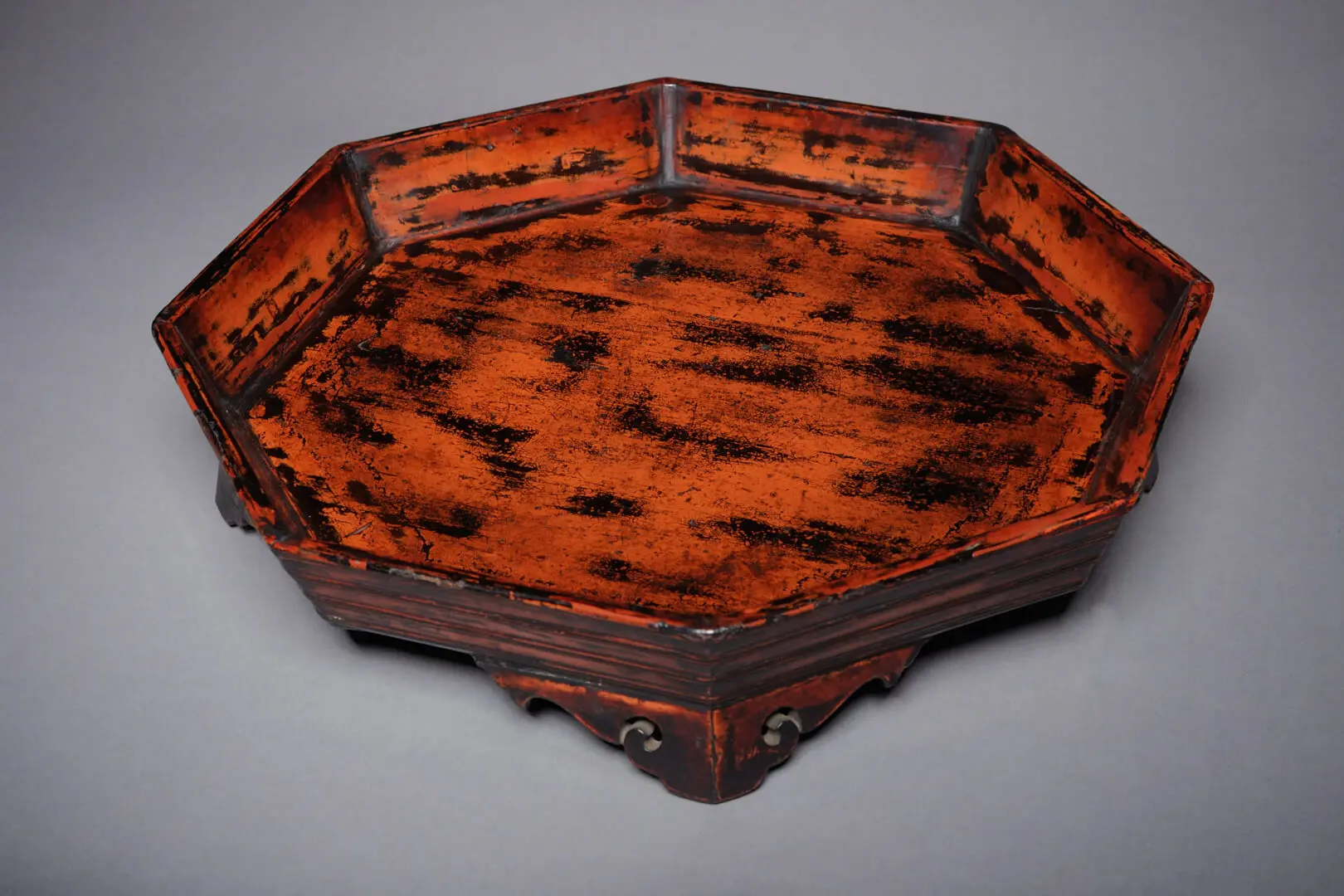
Wood, lacquer Negoro type
Muromachi period, 15th c.Inv. CA-CFC.827
Tsubo Jar
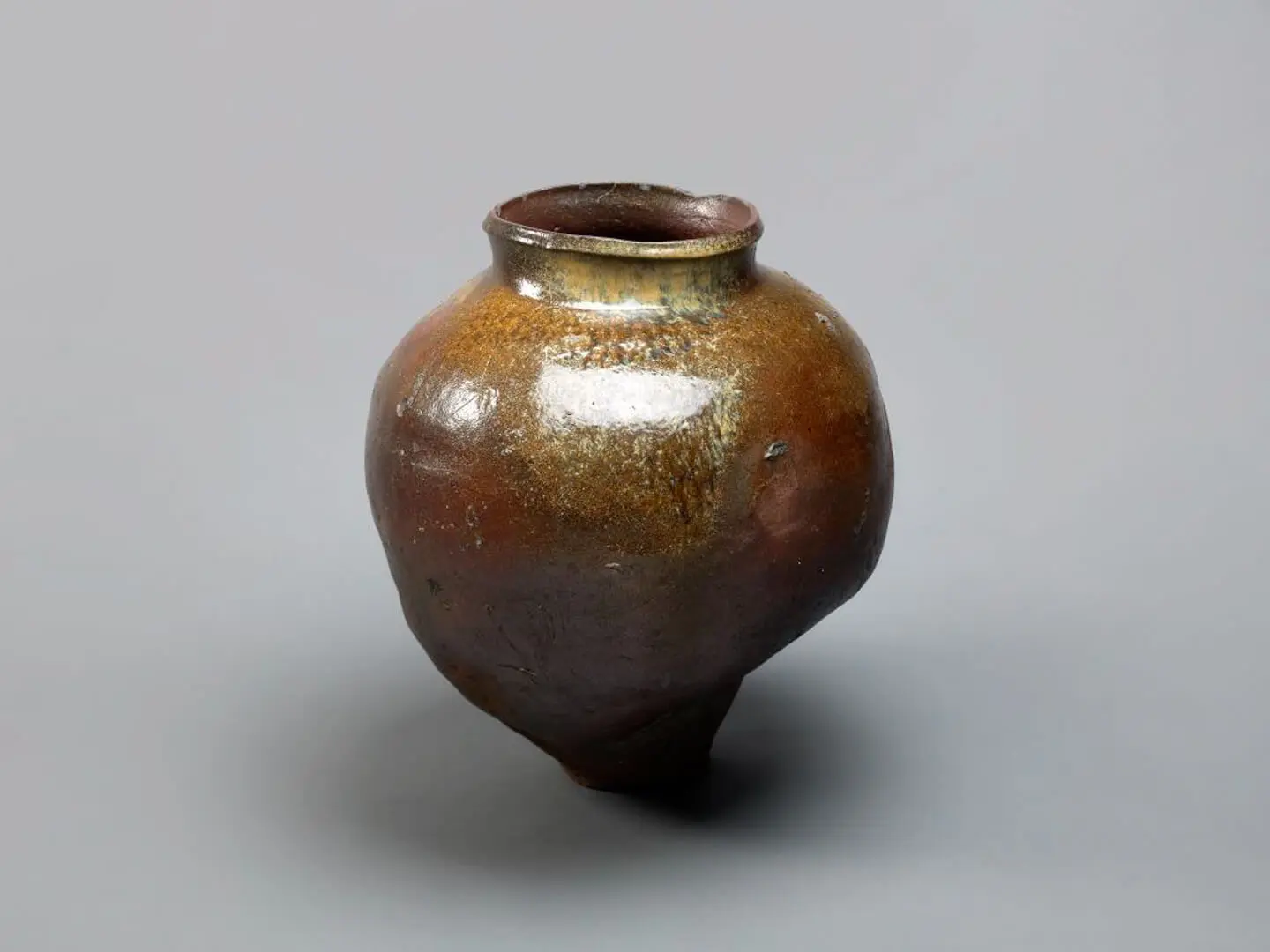
Glazed stoneware and natural ash
Muromashi period, 16th c.Inv. CA-CFC.415
Water container
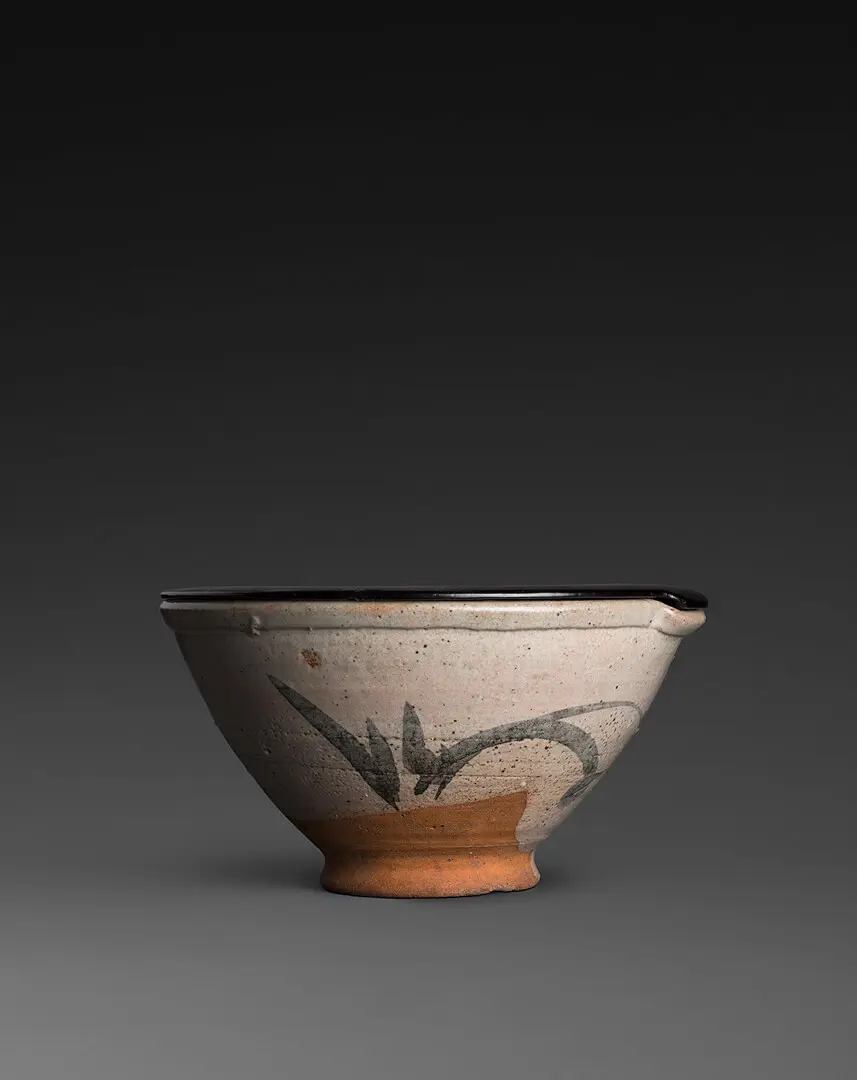
Stoneware, glazed
Karatsu ware
Momoyama period, 16th c. (late)Inv. CA-CFC.421
White Camellias
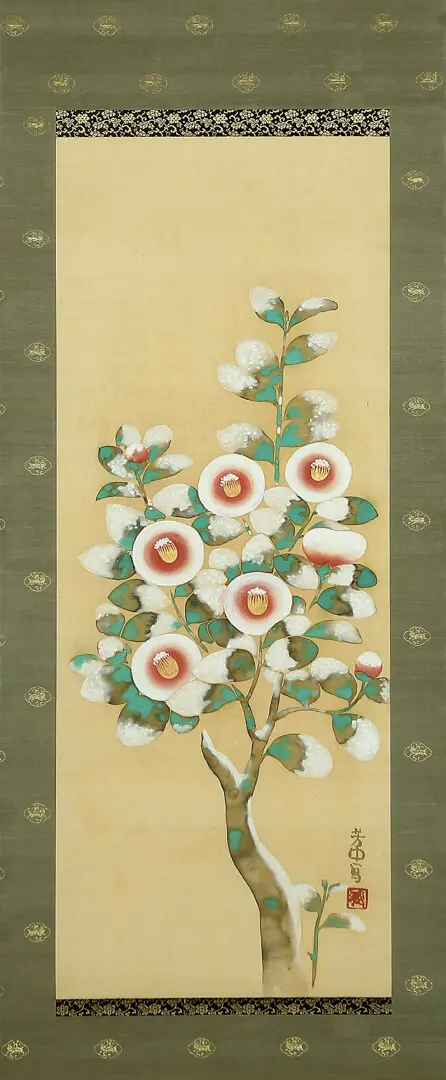
Ink and pigments on silk, silk
brocades
Nakamura Hochu (active 1790 – c. 1819)
Rimpa School
Edo period, 18th/19th c.Inv. CFC.39
Writing box (Suzuribako)
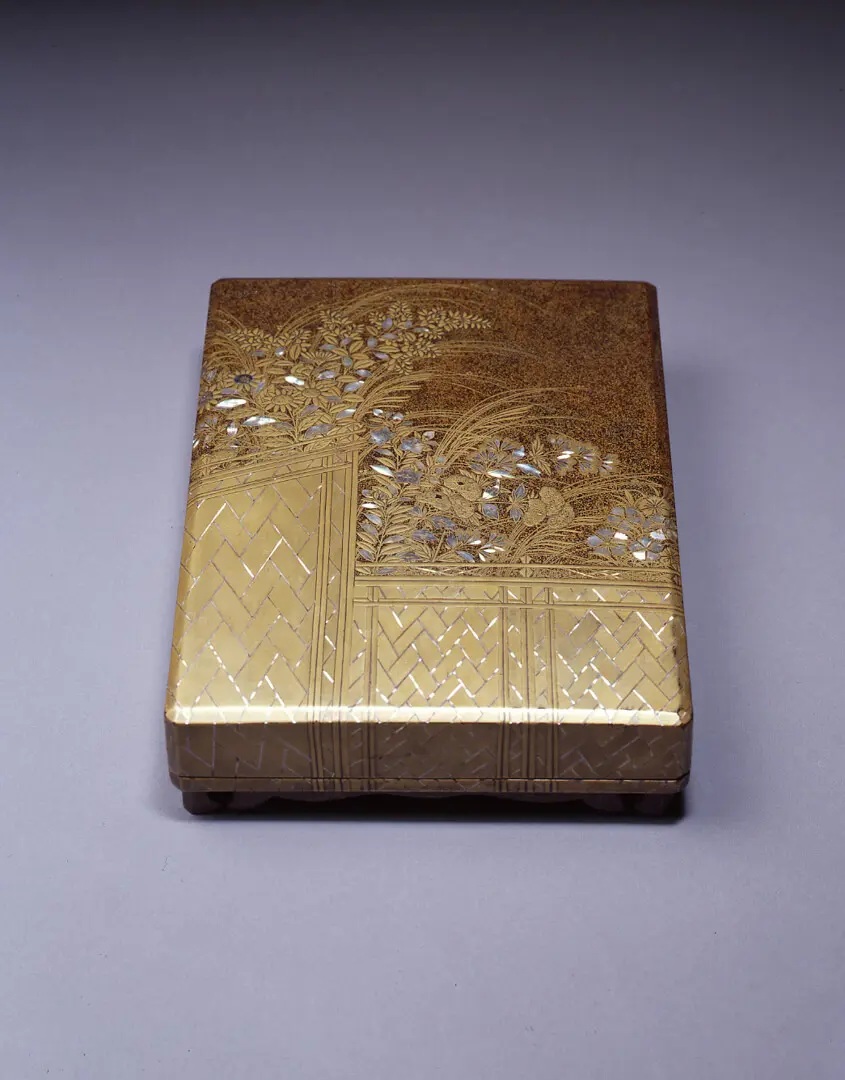
Wood, lacquer, gold, mother-of-pearl
Edo period, 17th c.Inv. CA-CFC.834
Yoroboshi Noh mask
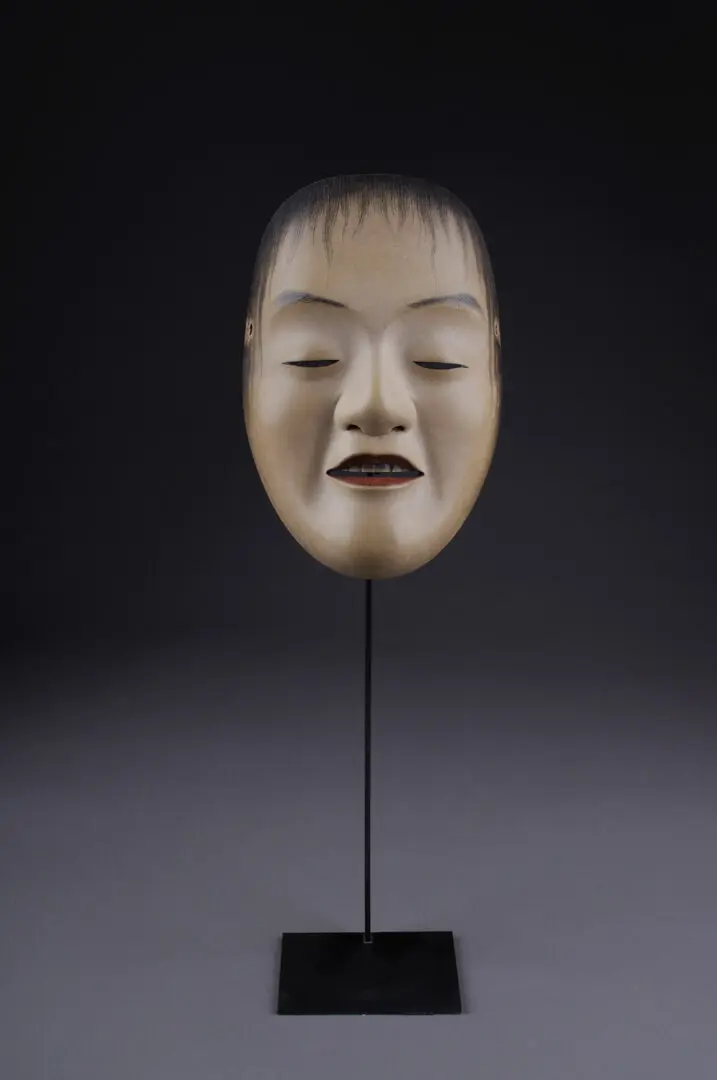
Paulownia wood, pigments
Edo period, 18th c.Inv. CA-CFC.857